

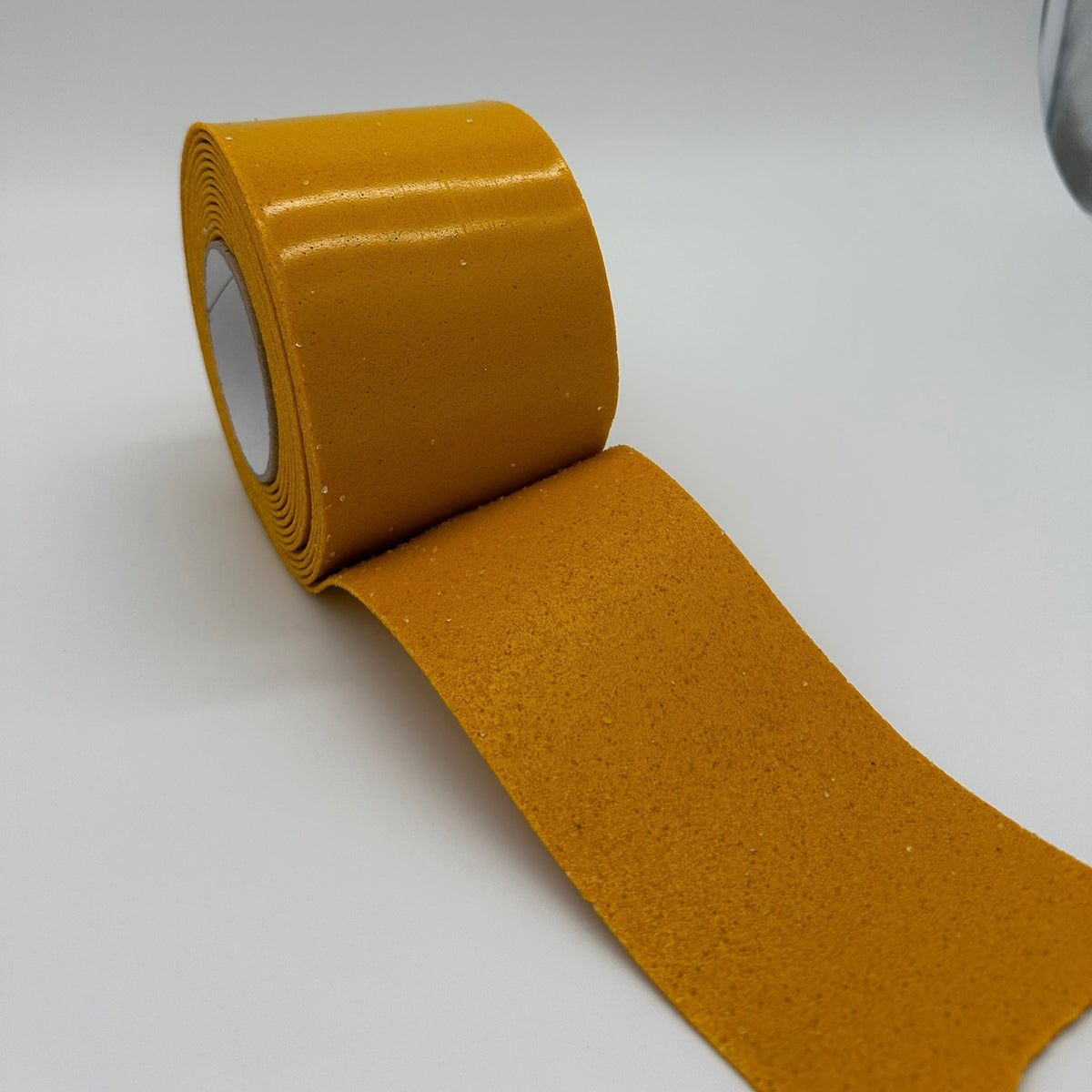
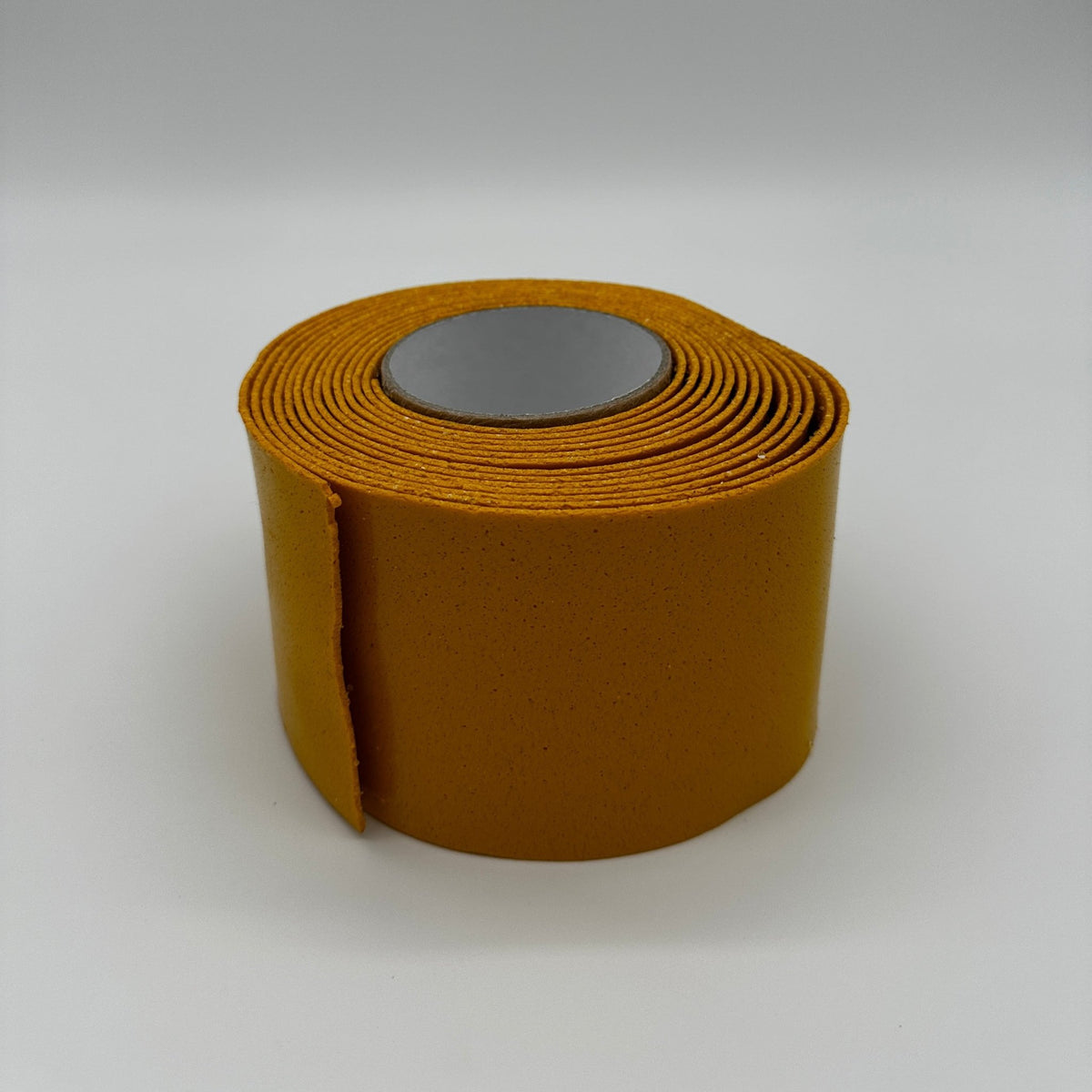
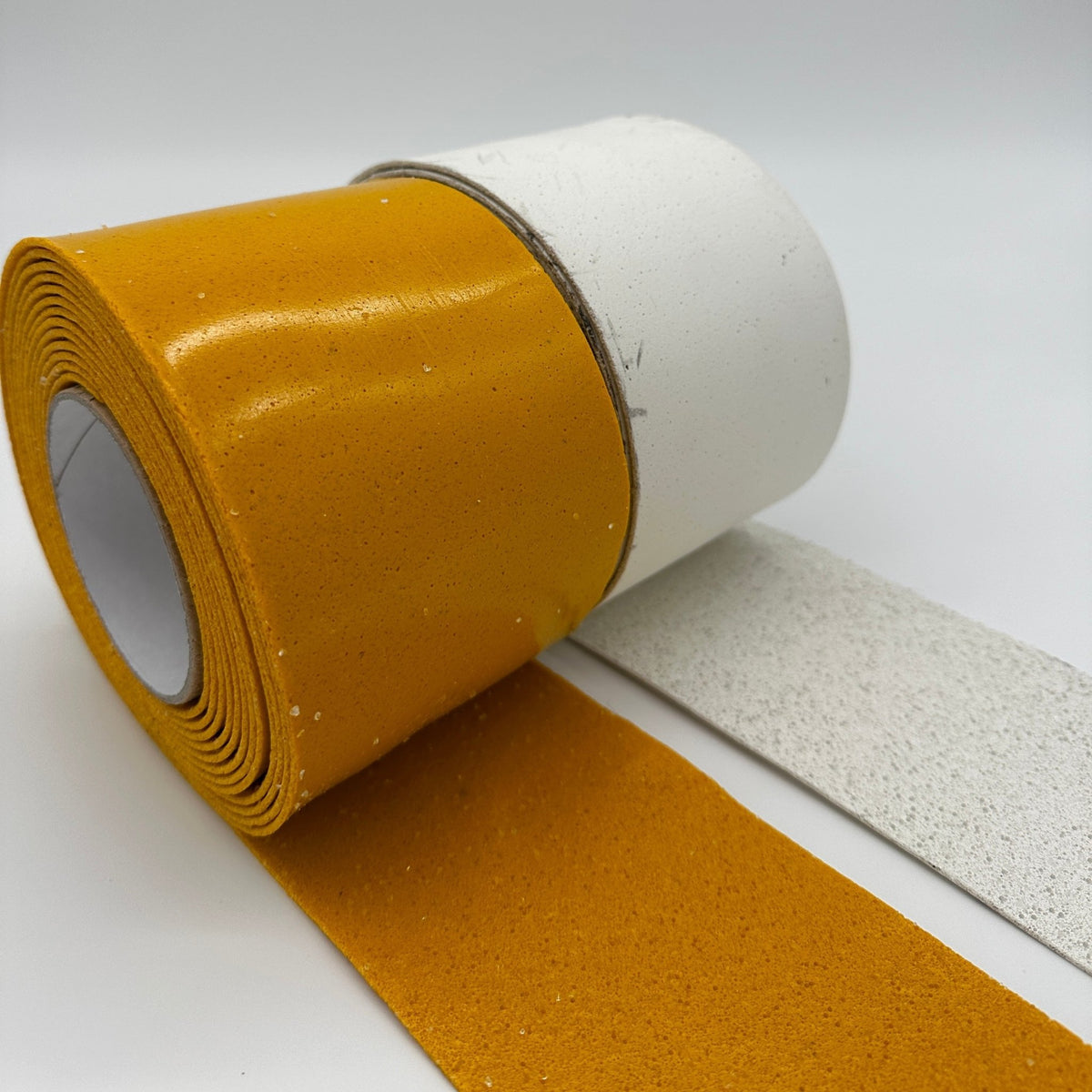
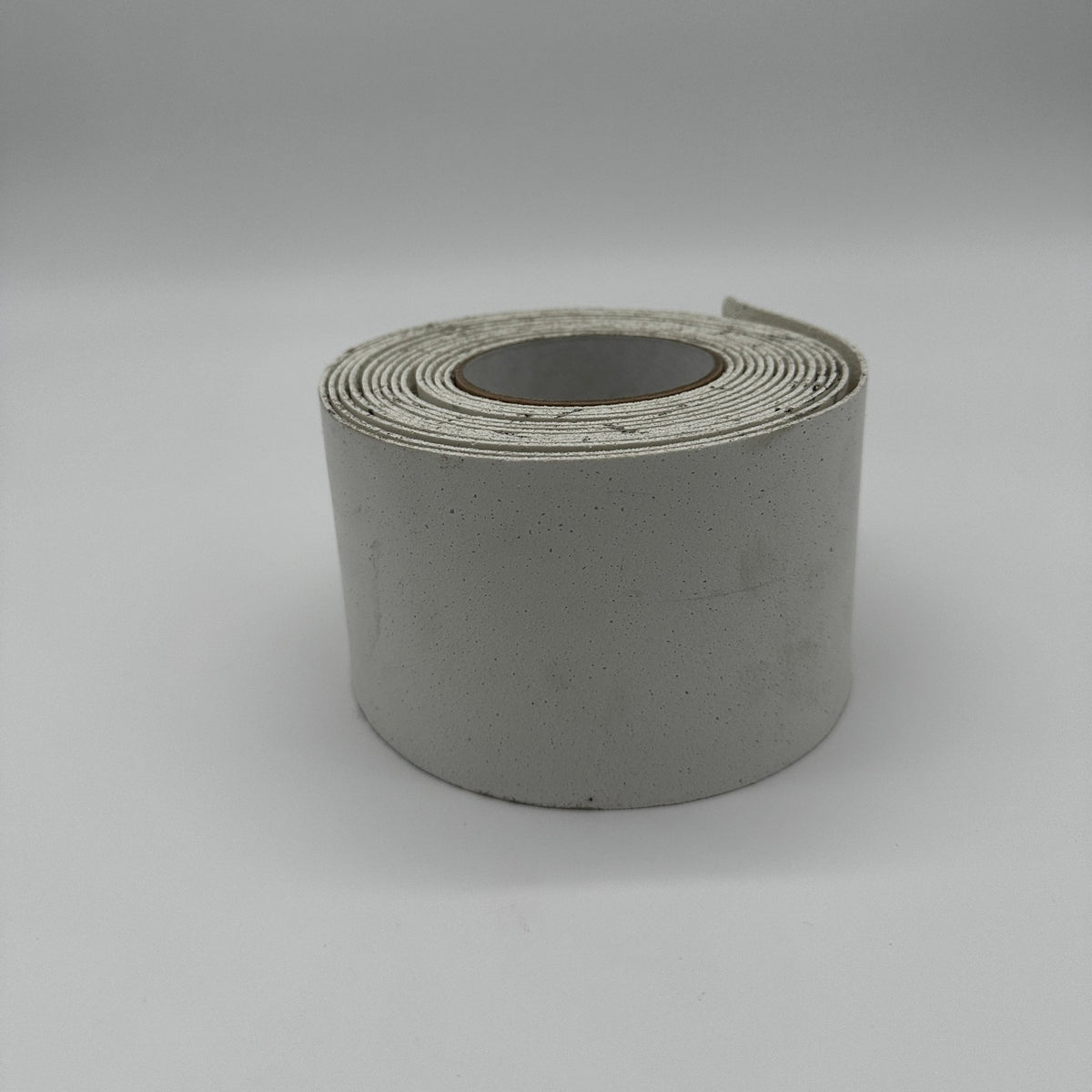
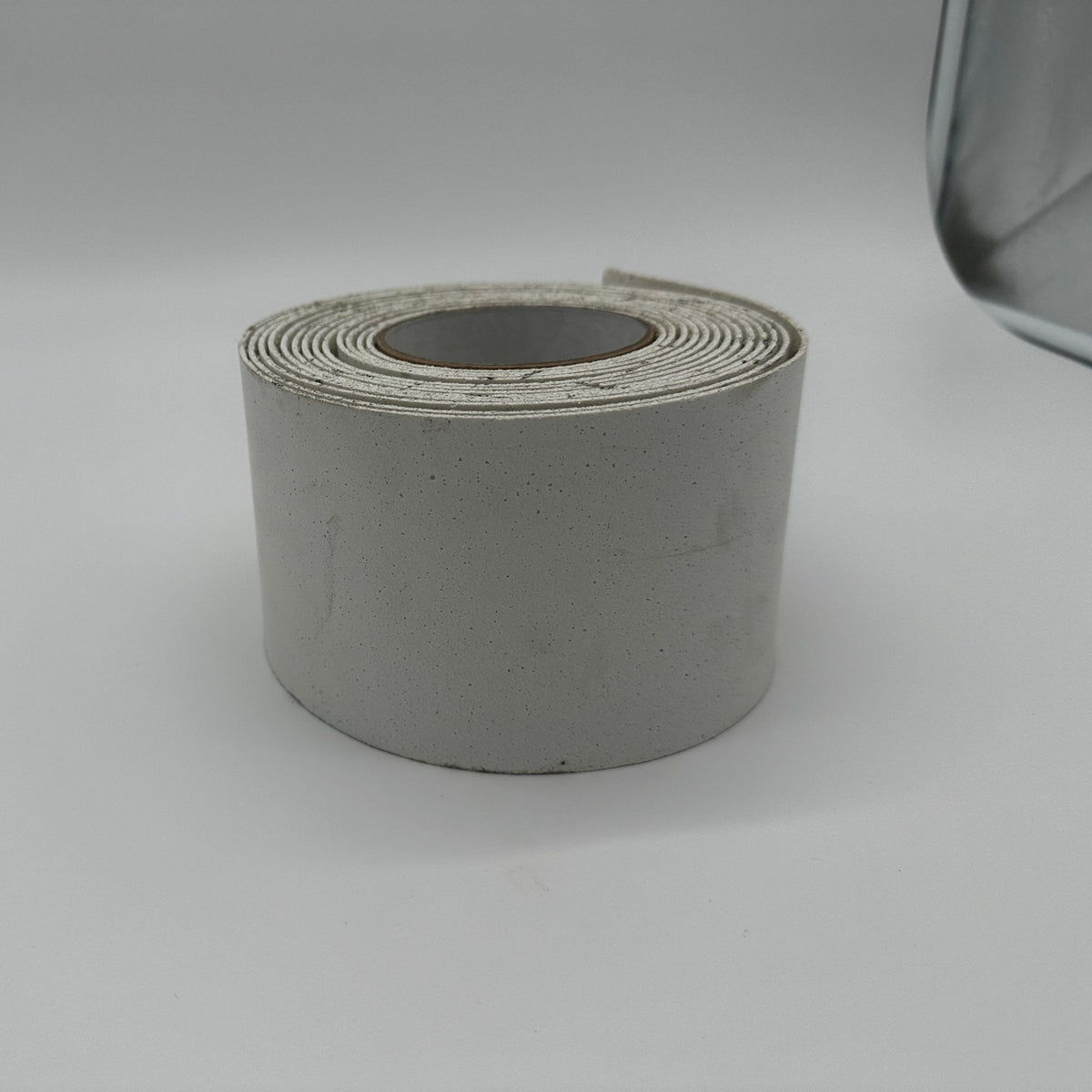
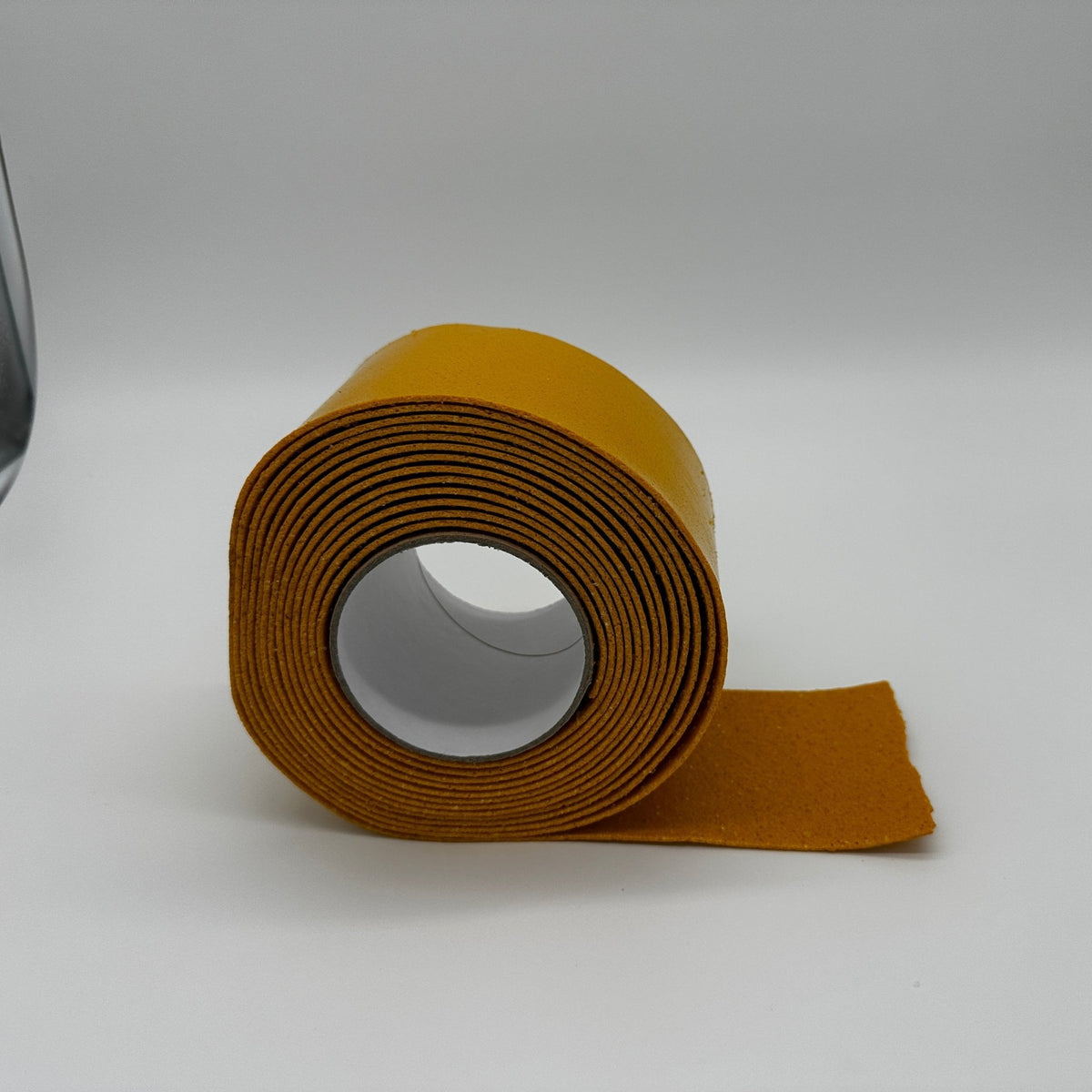
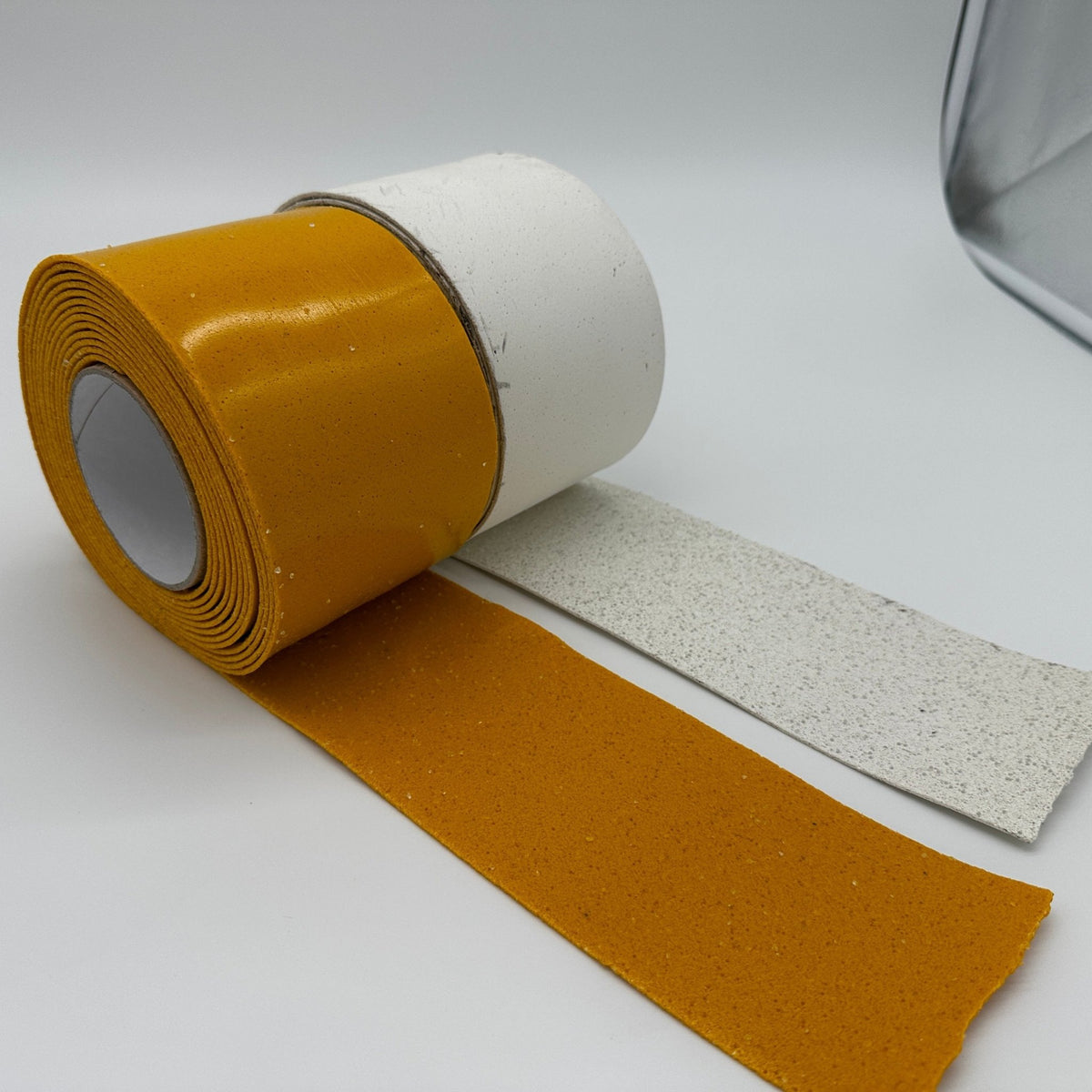
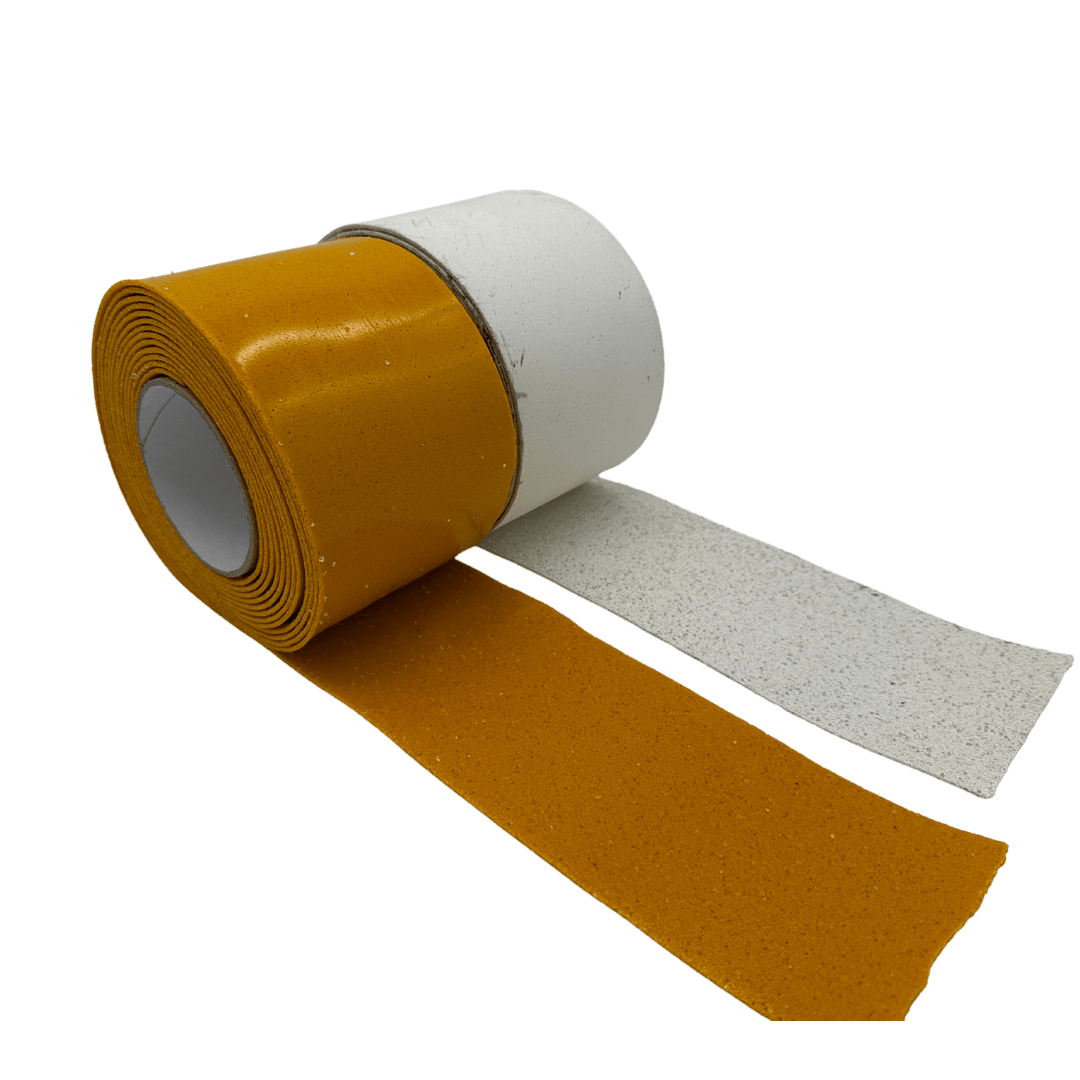
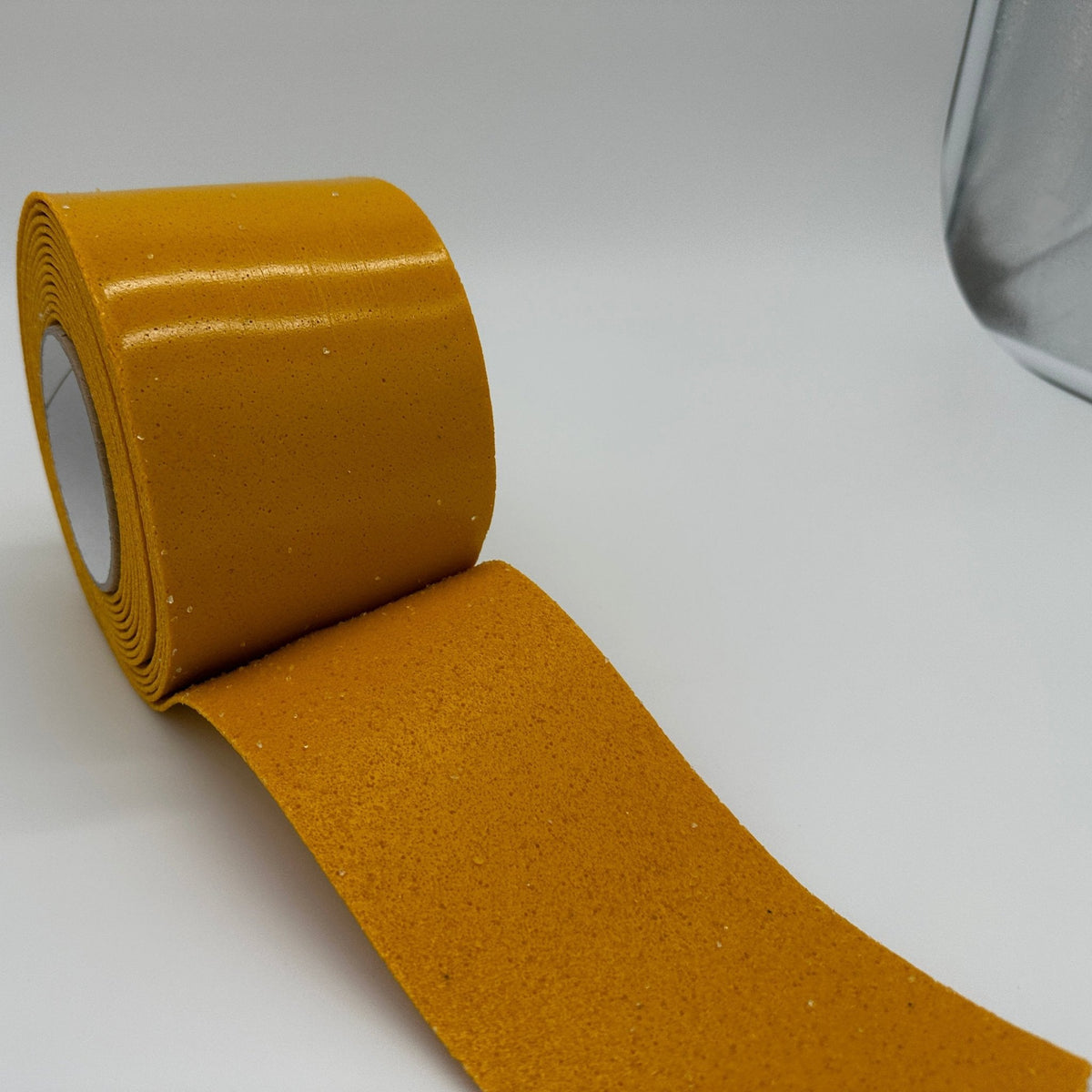
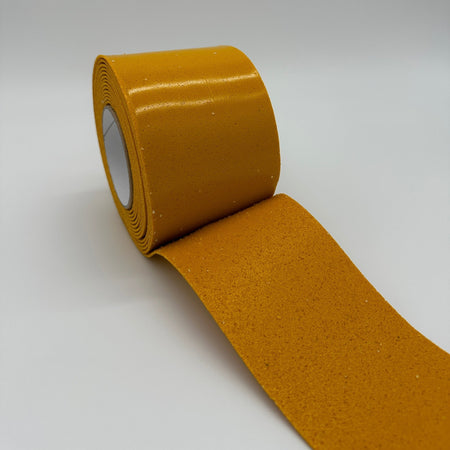
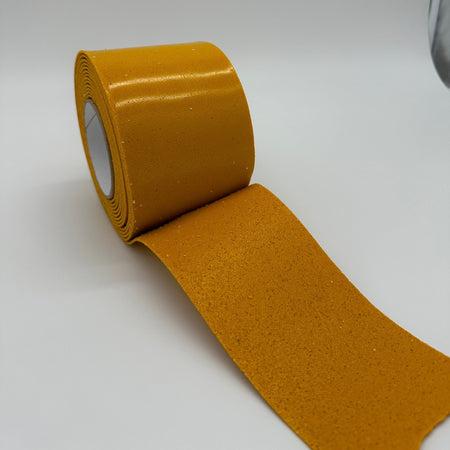
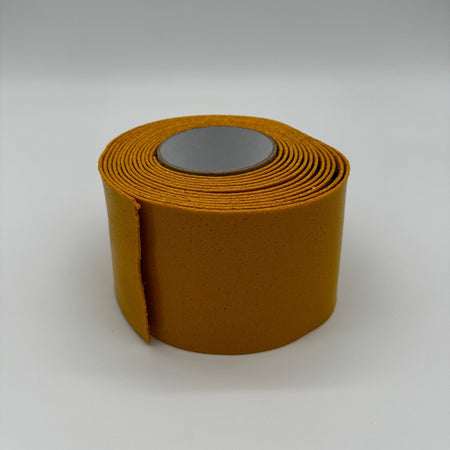
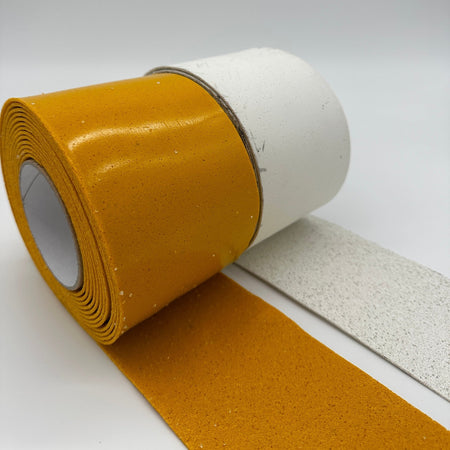
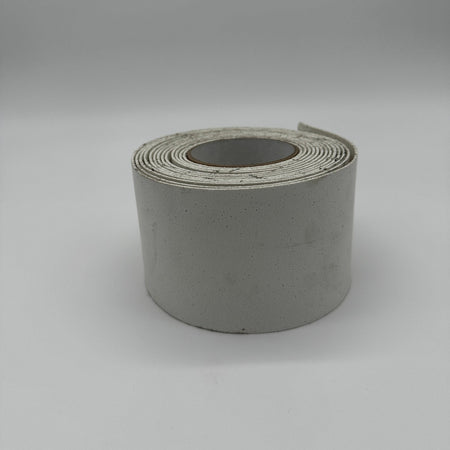
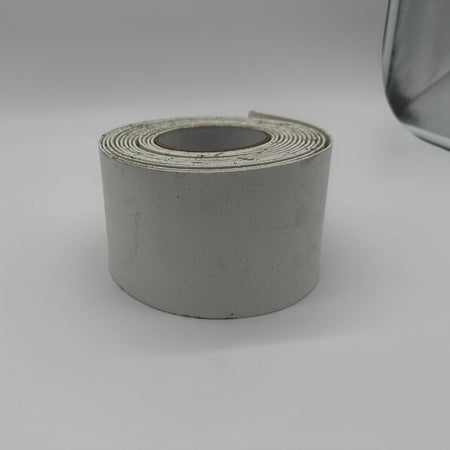
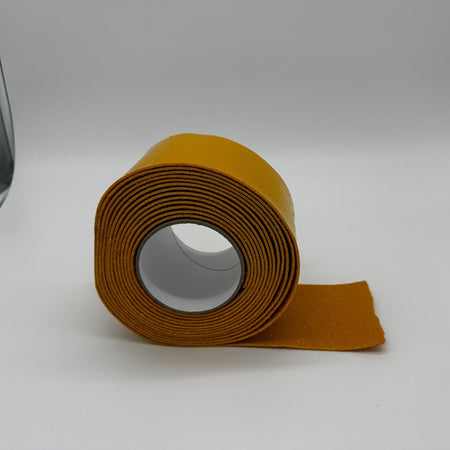
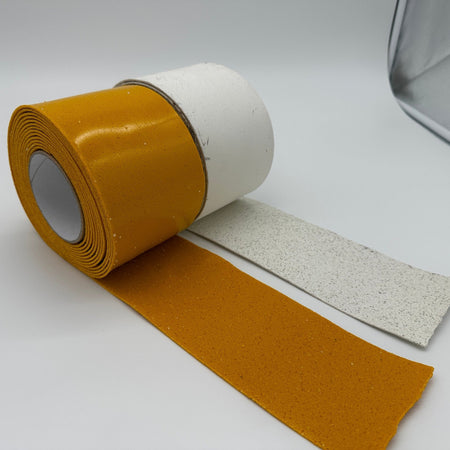
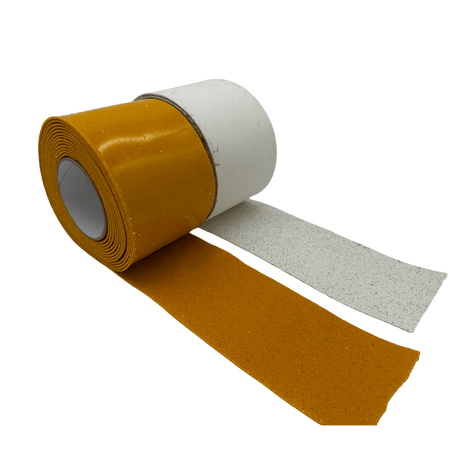
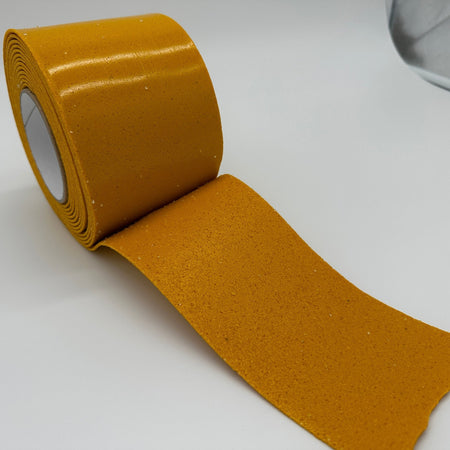

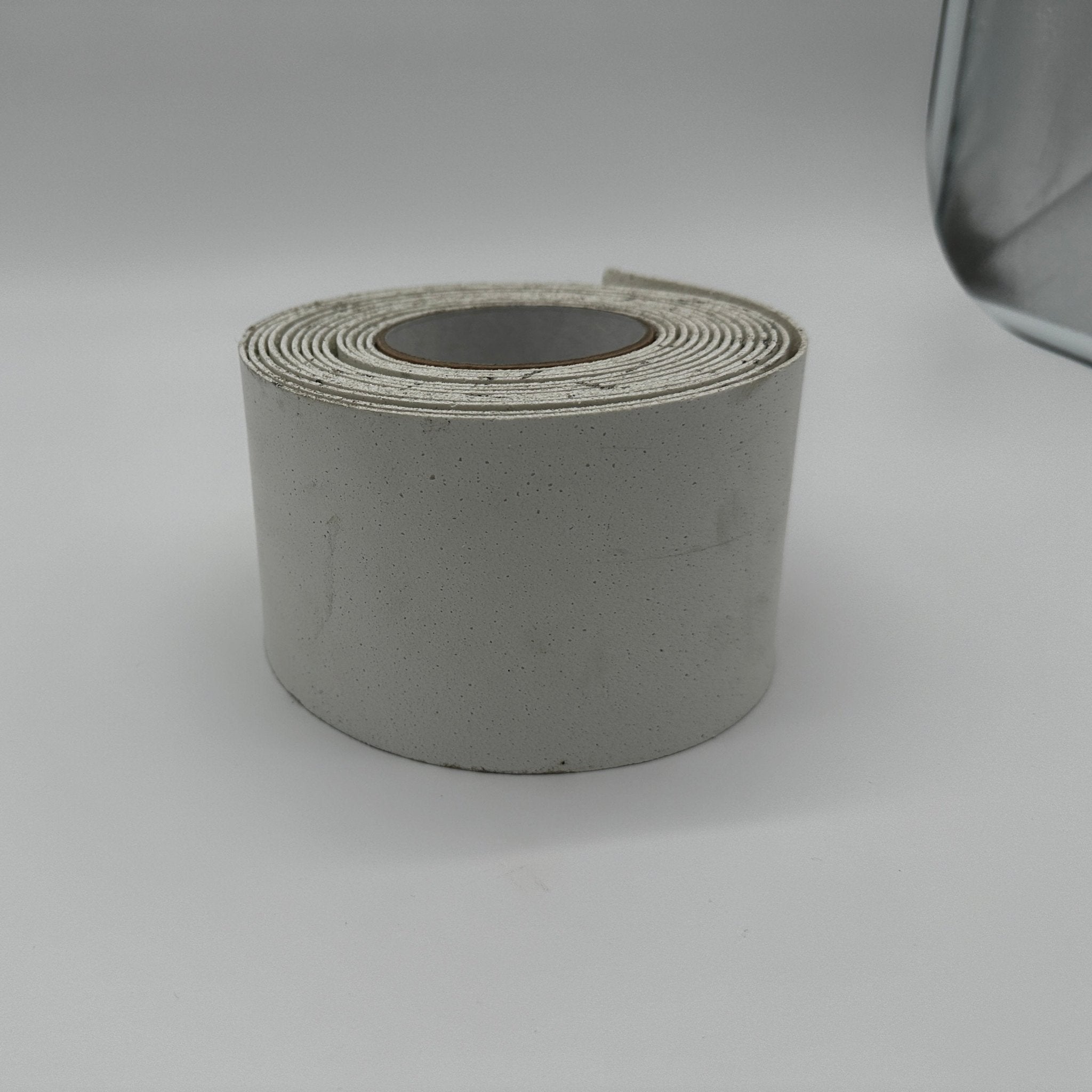
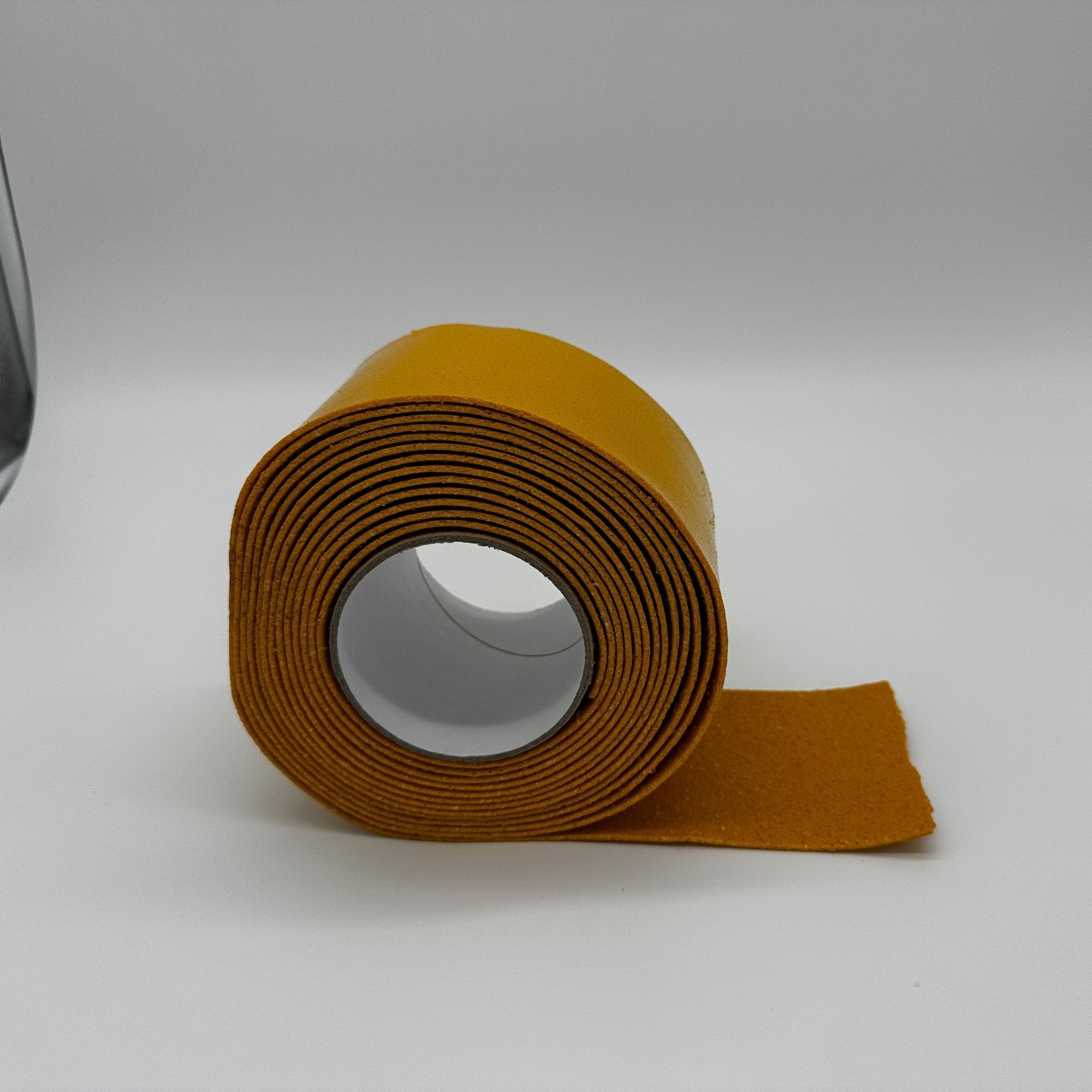
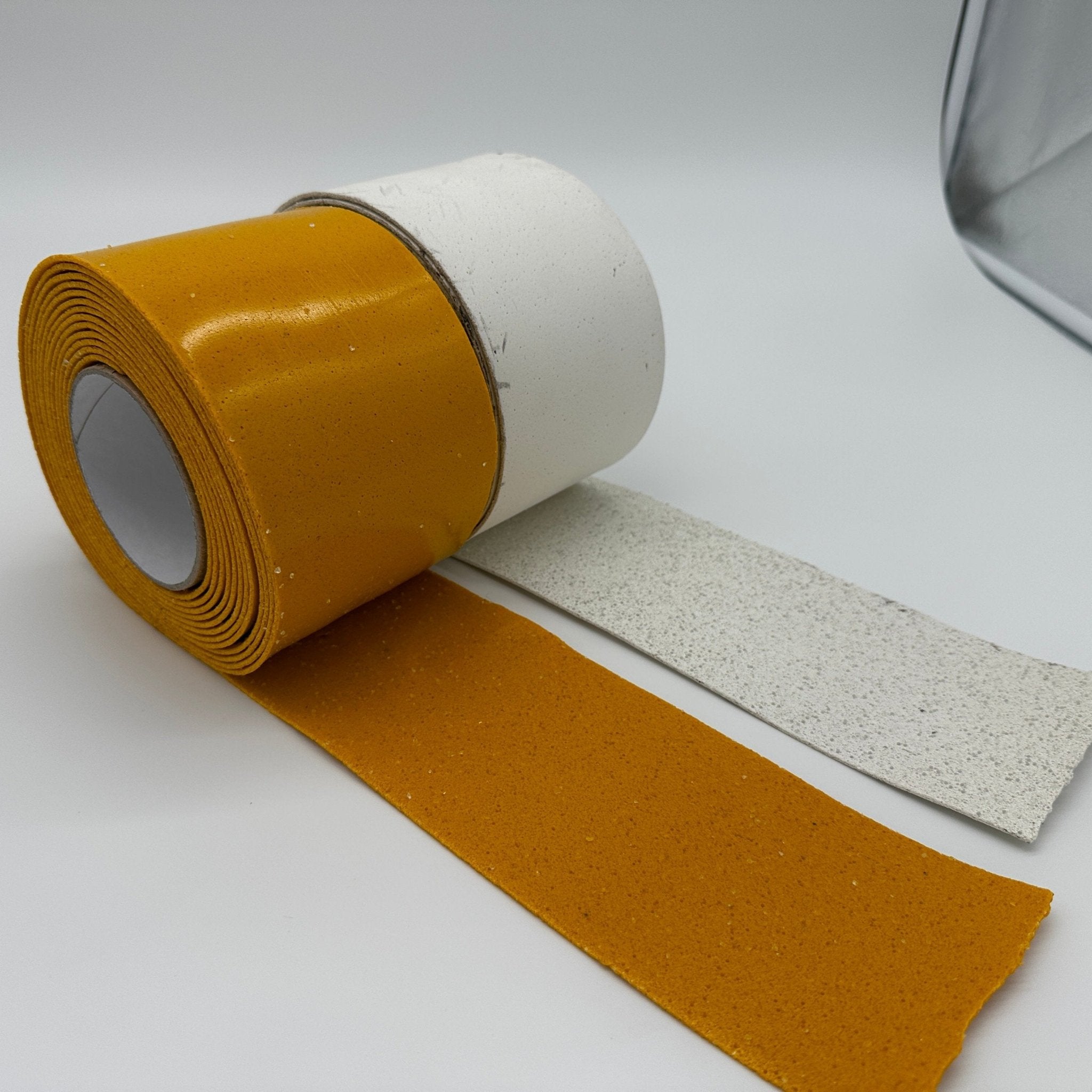
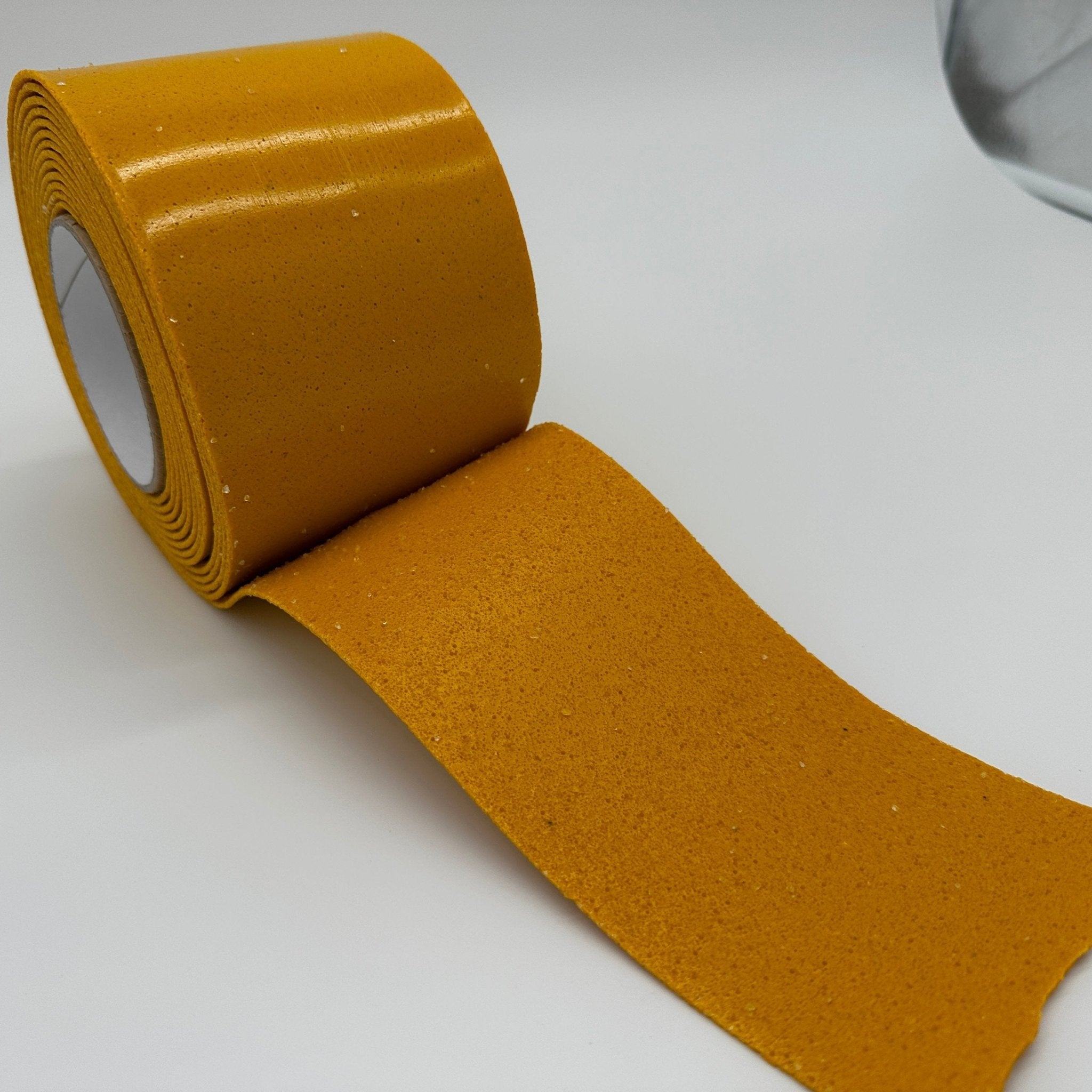
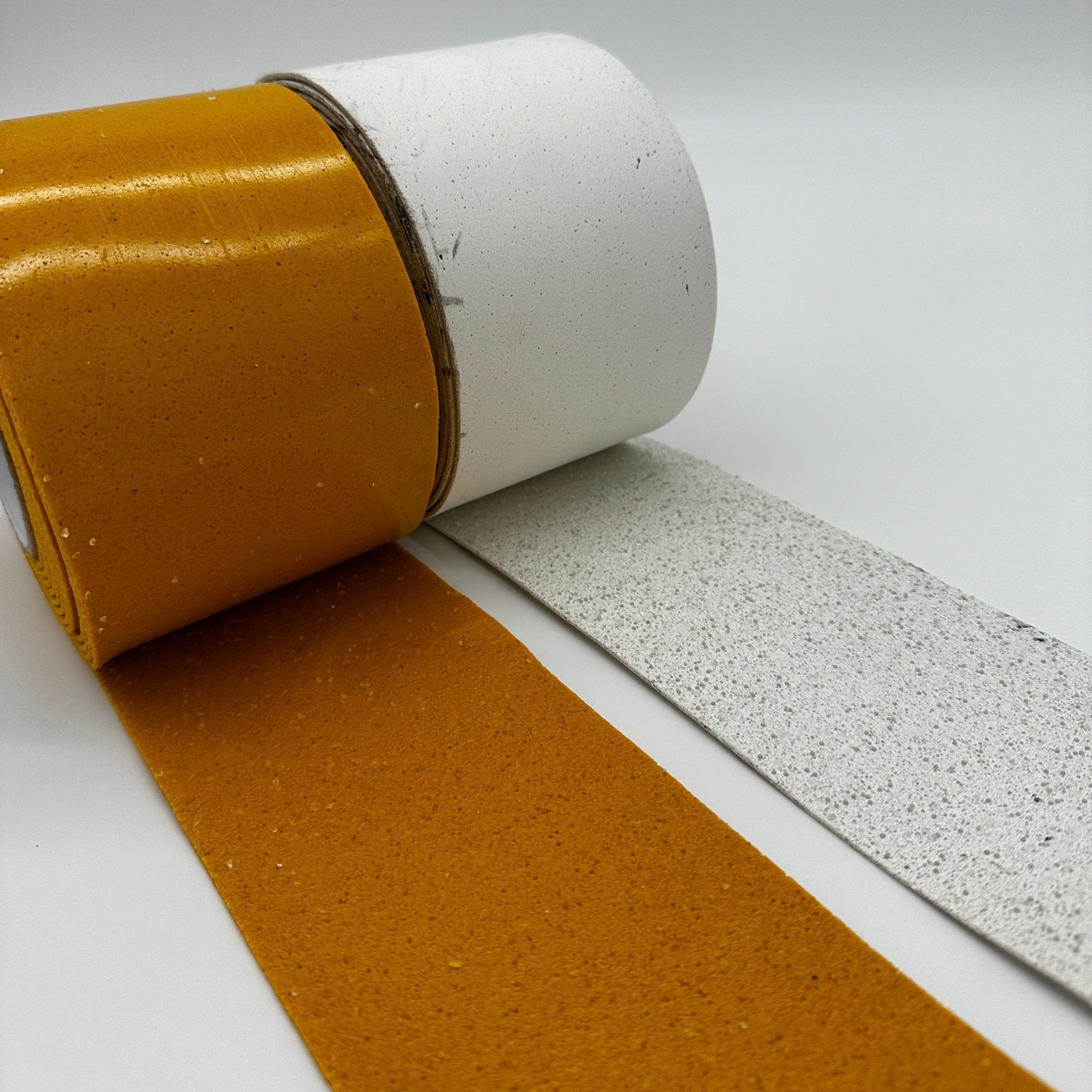
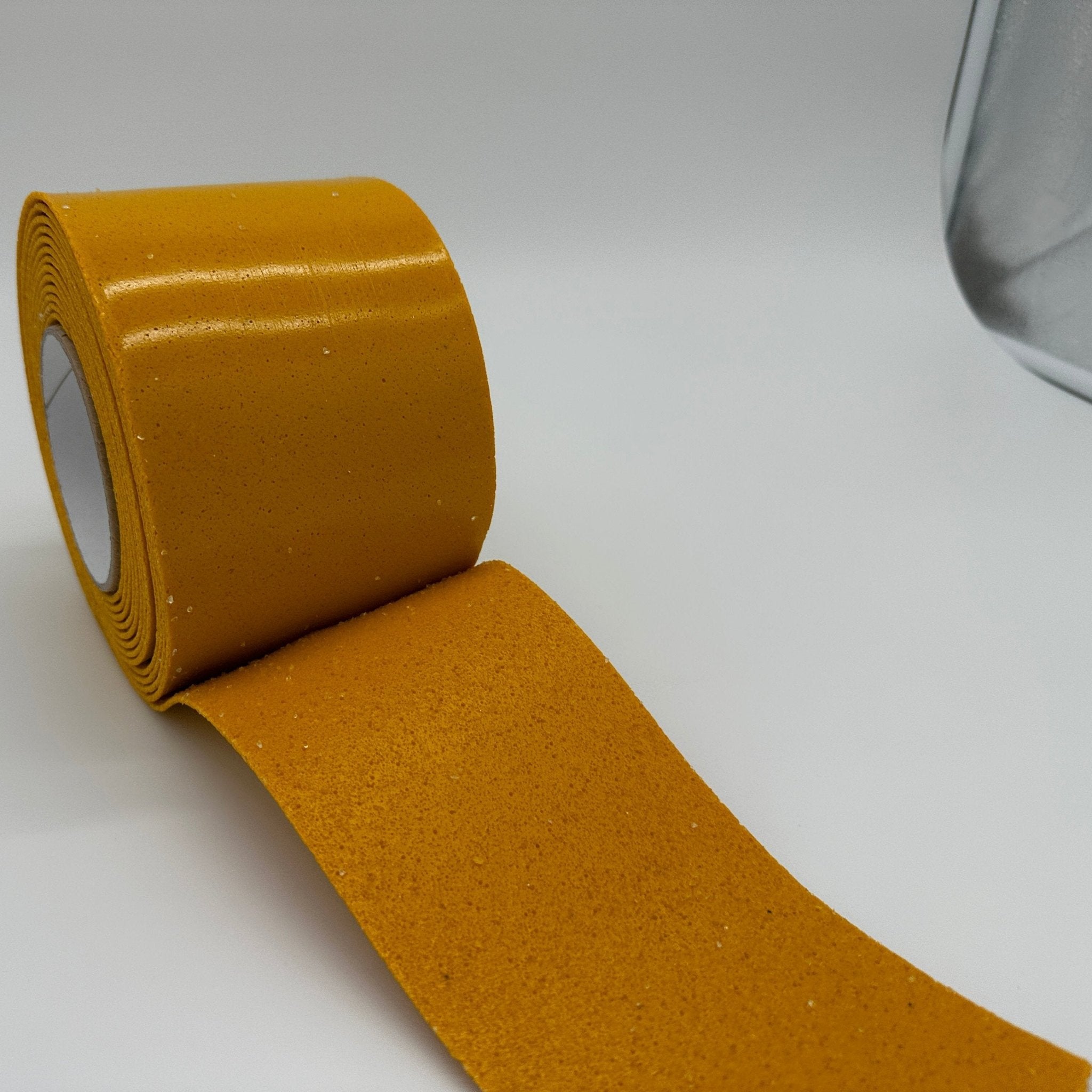
Thermoplastic road Marking 5M lines
Place an order from us to Get your supply direct from the UK source, cutting out unnecessary costs and passing the savings directly to you. Need help or looking for bulk quantities? Give us a call we’re always happy to help.
Couldn't load pickup availability
Follow us on social
📦 How to Order:
Step 1: Select your Colour from the dropdown.
Step 2: Select your Roll Width from the dropdown.
Step 3: Select your desired Quantity then click Add to Cart.
⬇️ Bulk discounts apply automatically.
🚛 Same Day Dispatch
Thermoplastic Line Marking
Durable Road Markings That Last 10x Longer Than Traditional Paint
Preformed Thermoplastic line marking gives roads, car parks, highways, cycle lanes, factories, airports, ports, playgrounds, sports pitches and industrial surfaces a durable, bright and highly visible marking system that lasts far longer than standard paint. It is designed for long lasting visibility, stronger adhesion, better night safety and lower maintenance costs in high traffic areas.
Unlike traditional traffic paint, thermoplastic road markings are heated, applied hot, and bonded to the surface. The material cools fast, hardens quickly, and creates a robust thermoplastic line that resists abrasion, snow, rain, UV exposure, chemicals, oil, fuel and heavy vehicle wear.
Thermoplastic line marking tape lasts up to six times longer than traditional paint, making it the default choice for major highway networks. In demanding sites where paint needs frequent replacement, that extended service life can dramatically reduce disruption, labour and long-term spend.
Why You’ll Love It
-
Exceptional Durability – Thermoplastic markings are known for their durability, with the ability to withstand significant traffic and environmental wear, making them a preferred choice for road infrastructure. In our own testing, we have also completed over 4 million wheel passover cycles in high traffic areas, with the line remaining sharp, visible and structurally reliable.
-
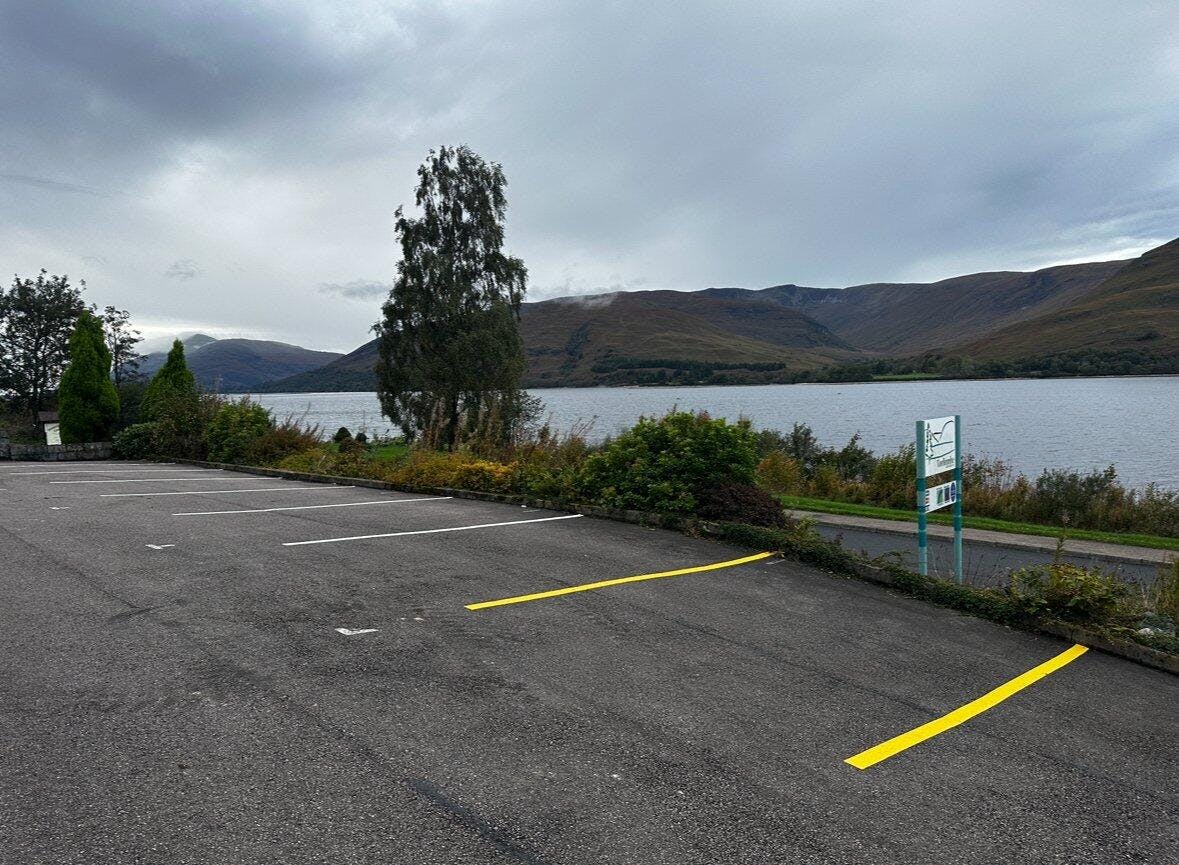
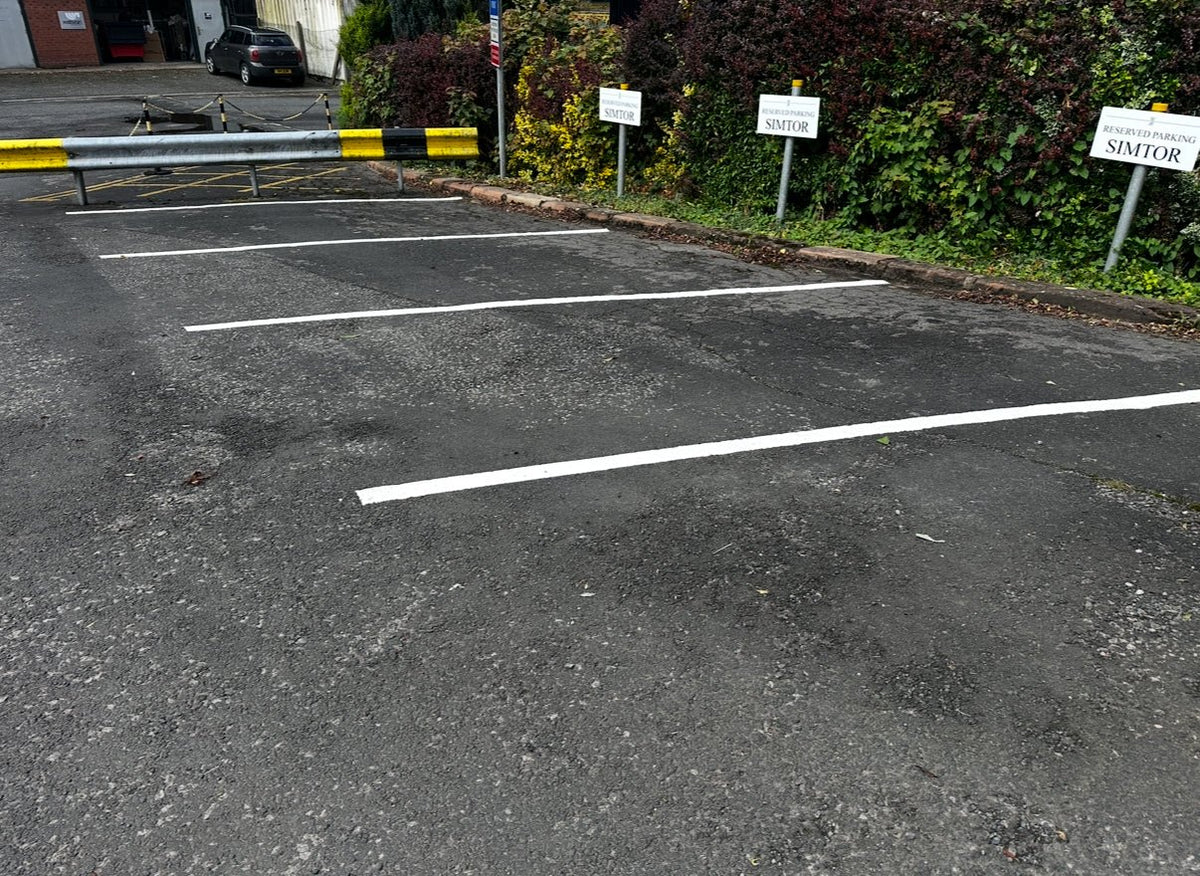
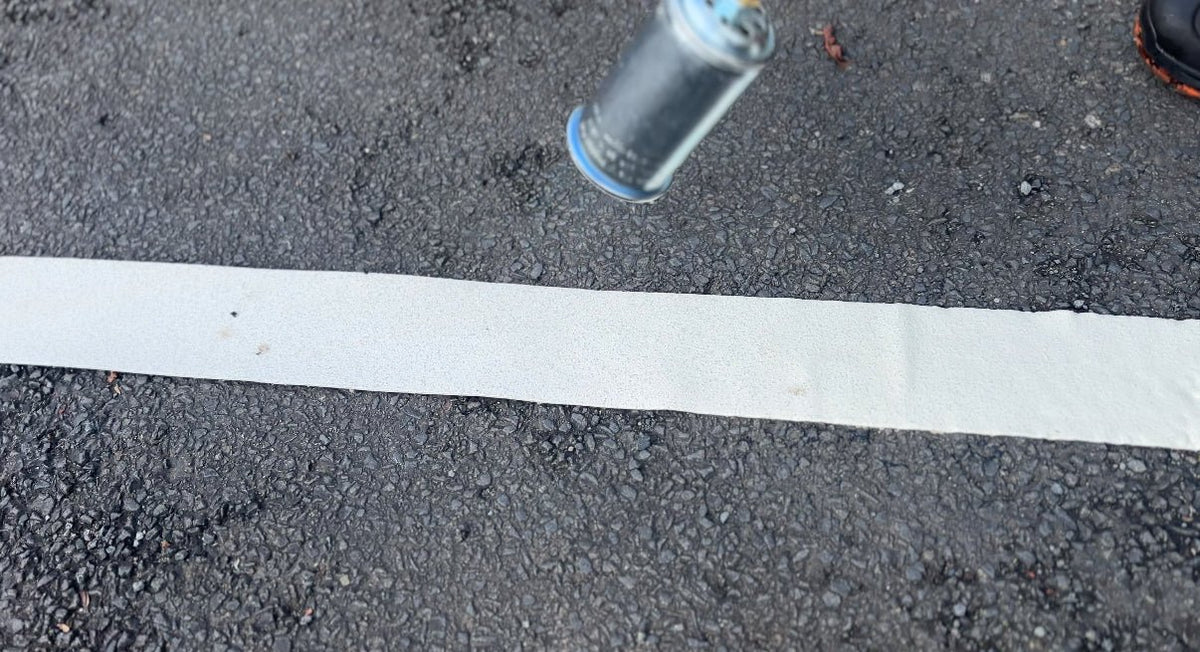
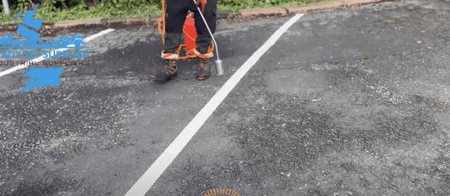
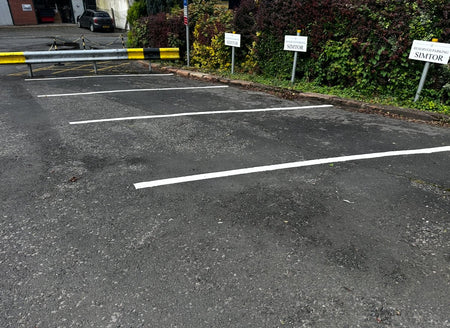
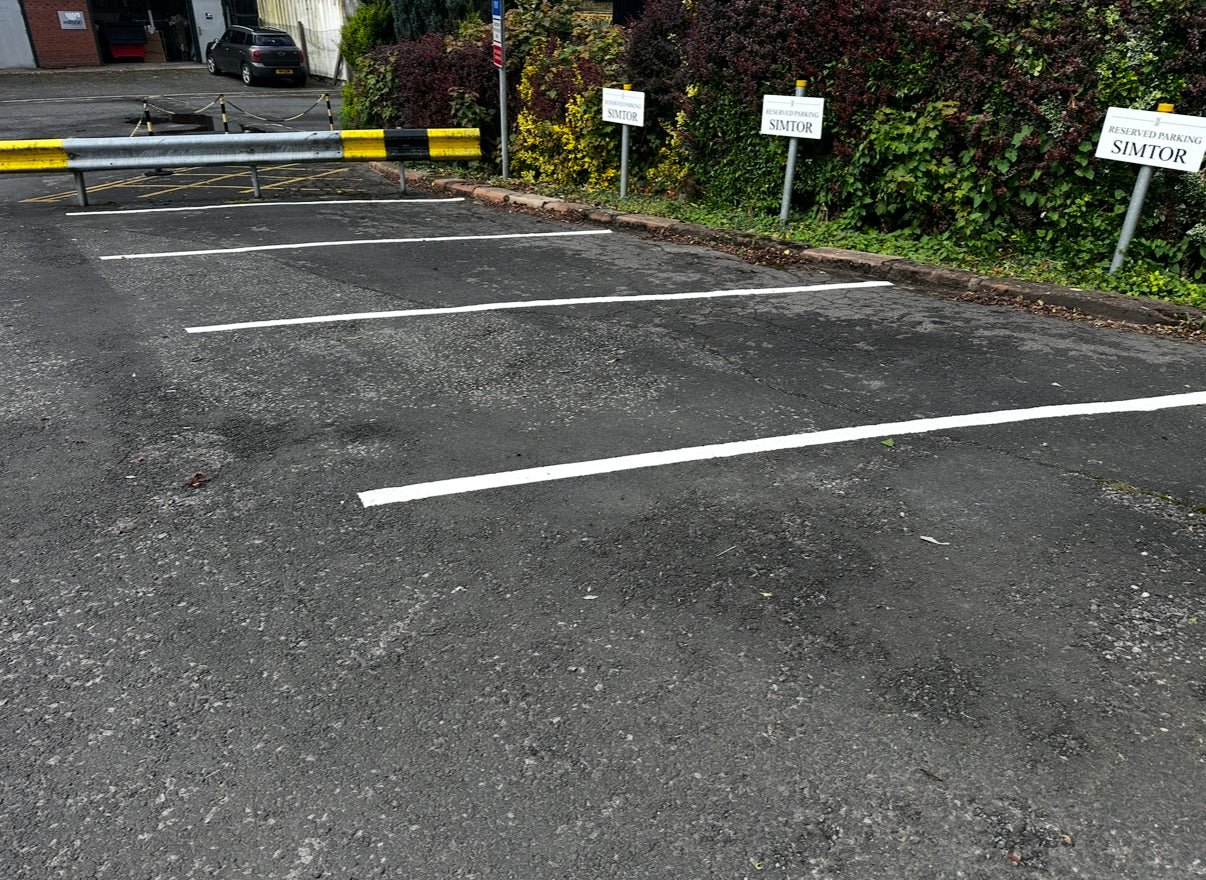
Enhanced Night Visibility – Glass beads are embedded into the hot thermoplastic during application to enhance visibility at night or in poor weather conditions, ensuring immediate retroreflectivity. In our own tests on a car park, as seen in a photo we had taken below, we measured the retroreflectivity using a retroreflectometer and saw a 10% boost in retroreflectivity thanks to the well graded glass beads.

-
Weather Resistant – Thermoplastic line marking materials are designed to withstand adverse weather conditions, making them effective for year-round application even in colder temperatures. We have tested these thermoplastic lines in below 10 degrees conditions and, when stored at room temperature the night before, we have seen excellent results even in colder conditions.
-
Cost-Effective – Compared to traditional traffic paint, thermoplastic is more durable and has superior night-time reflectivity, but comes at a higher initial cost. While thermoplastic has a higher initial cost, its long lifespan and superior reflectivity make it a cost-effective choice over traditional paint.
-
Quick Application – Thermoplastic cools and hardens in just 2 to 5 minutes after application. Thermoplastic cools and hardens within minutes, causing minimal disruption to traffic, customers, deliveries and site functionality.
What Makes It Different
Traditional paint markings sit on the surface, fade faster, lose reflectivity sooner and often need repainting after heavy traffic, poor weather or repeated cleaning. Thermoplastic road markings are different because the heated material bonds into the asphalt or concrete texture, creating a thicker, more resistant marking with stronger performance.
Thermoplastic line marking is built differently:
-
Heat-Fusion Bonding – Thermoplastic material is heated to approximately 200 degrees Celsius to convert it from solid to liquid state before application. It is then applied to the prepared surface using a road marking machine, typically at a thickness of about 3 millimeters, depending on project requirements. This heat application gives excellent adhesion to asphalt and, with the correct tack coat primer, reliable bonding to concrete.
-
Reflective Glass Bead Integration – The composition of thermoplastic materials typically includes hydrocarbon or biogenic binders, pigments, fillers, aggregate, and glass beads, which contribute to their long-lasting performance and resistance to wear and weathering. Independent field studies indicate that thermoplastic road markings can maintain their retroreflectivity and visibility for longer periods compared to traditional road paints, due to their robust composition and application methods.
-
All-Weather Performance – Thermoplastic is suitable for roads, highways, car parks, cycle lanes, footpaths, airports and ports where visible markings must remain reliable in rain, snow, night conditions and heavy use. Compared to epoxy, thermoplastic cures faster and is easier to apply, as it simply requires melting before laying. Compared to MMA Cold Plastic, thermoplastic is less expensive and easier to apply, despite MMA being more durable and chemical-resistant.
How It Works
-
Surface Preparation
The first step in the thermoplastic line marking process is preparing the surface, which involves cleaning the area to remove debris, dust, or old markings that could affect adhesion. Existing lines may need to be removed or checked for compatibility. Concrete surfaces often require a special primer to ensure long-term adhesion of thermoplastic. -
Heat Application
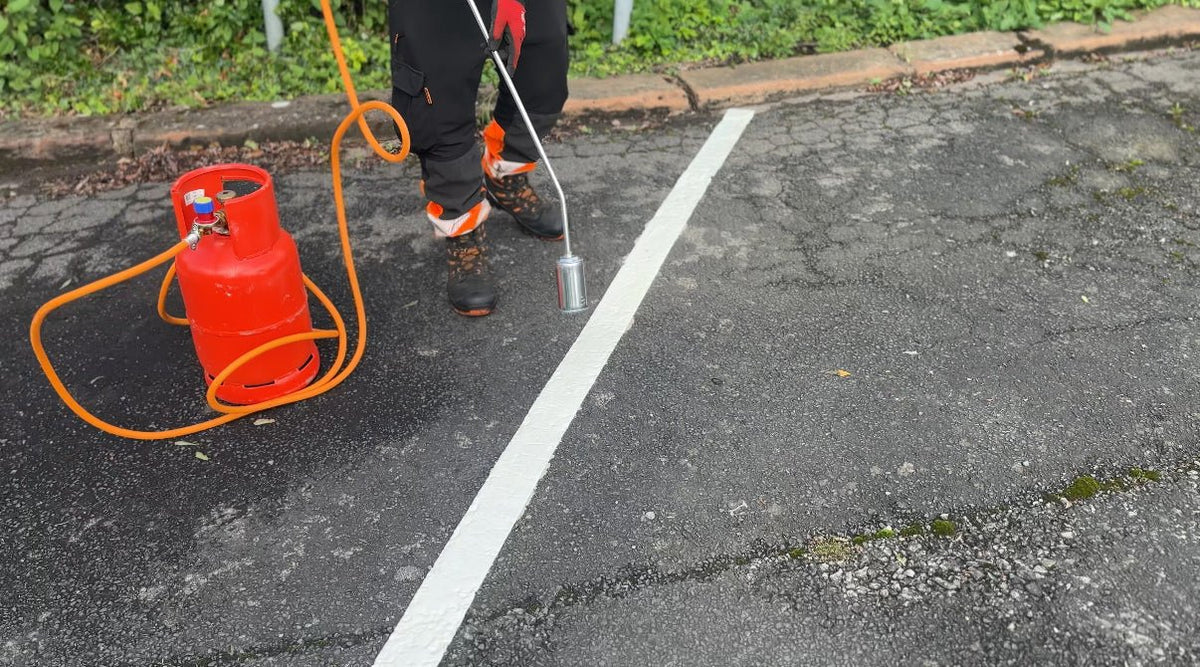
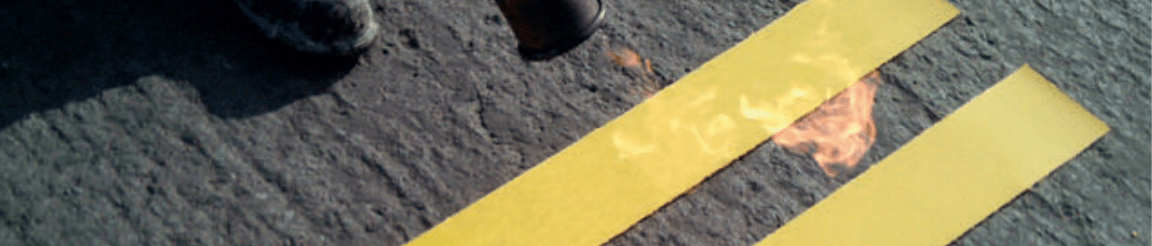
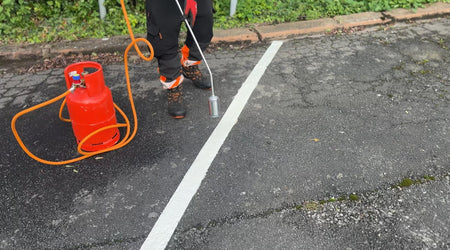
The thermoplastic material is heated to around 180-200°C, commonly with professional heating equipment, a gas torch, propane torch or road marking machine depending on whether tape, rolls, powder mix, preformed shapes or screed material is being applied. Once molten, the material is laid accurately onto the prepared surface. -
Glass Bead Embedding
Reflective glass beads are applied while the thermoplastic is still hot. The beads become embedded into the material, improving night visibility, wet-weather safety and long lasting visibility. Correct bead distribution helps ensure the marking remains bright, reflective and visible as the surface wears. -
Cooling and Reopening
After application, the thermoplastic cools and hardens quickly. Most markings can be ready within minutes, helping to reduce disruption on roads, in car parks, around factories, and across customer-facing sites.

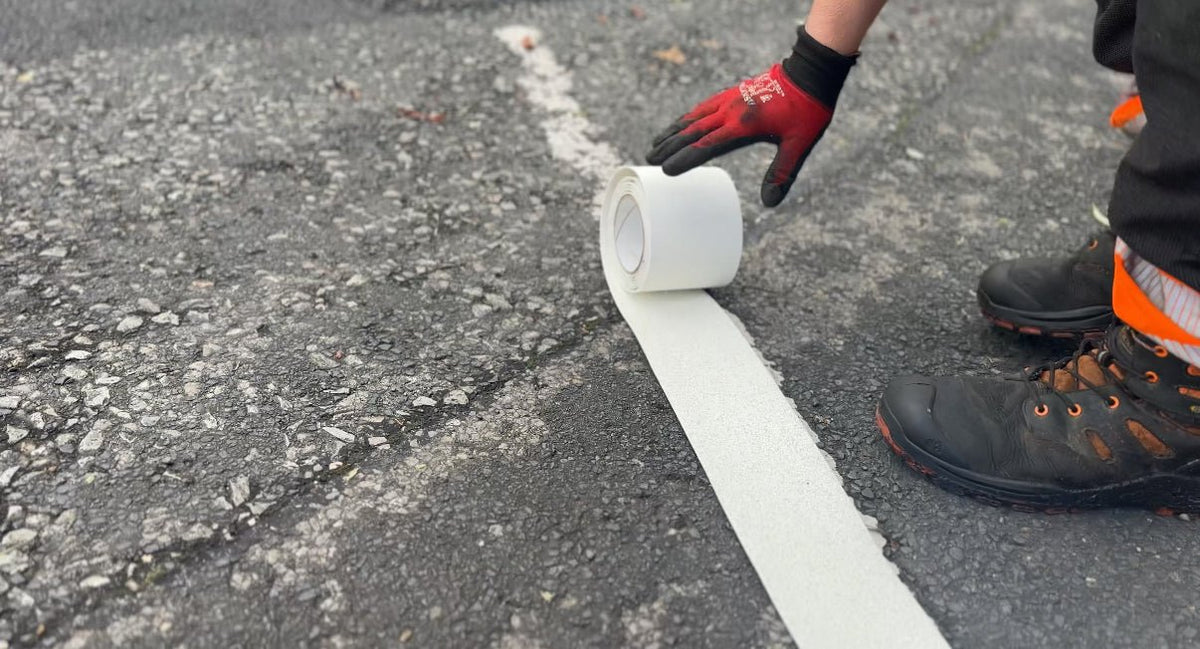
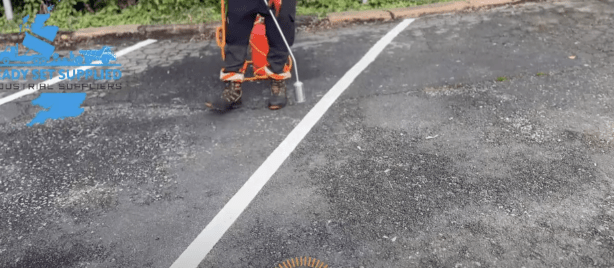
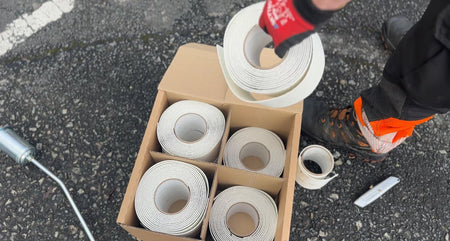
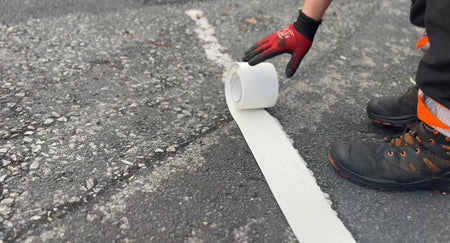
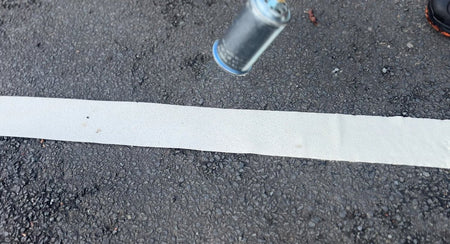
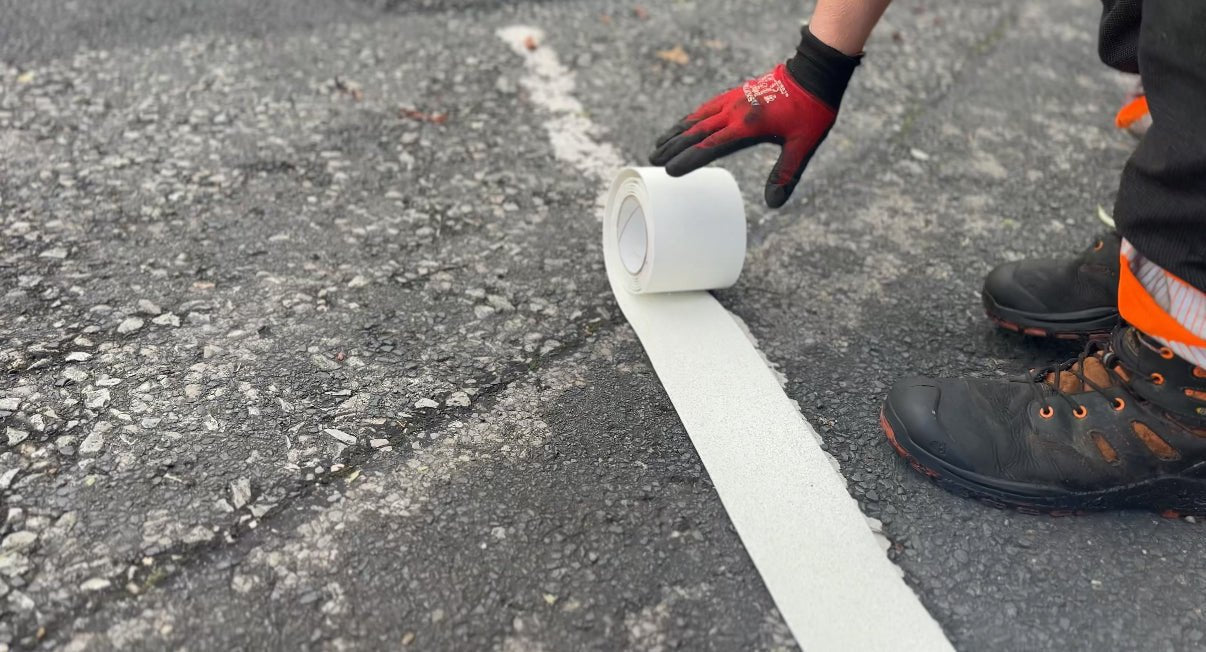
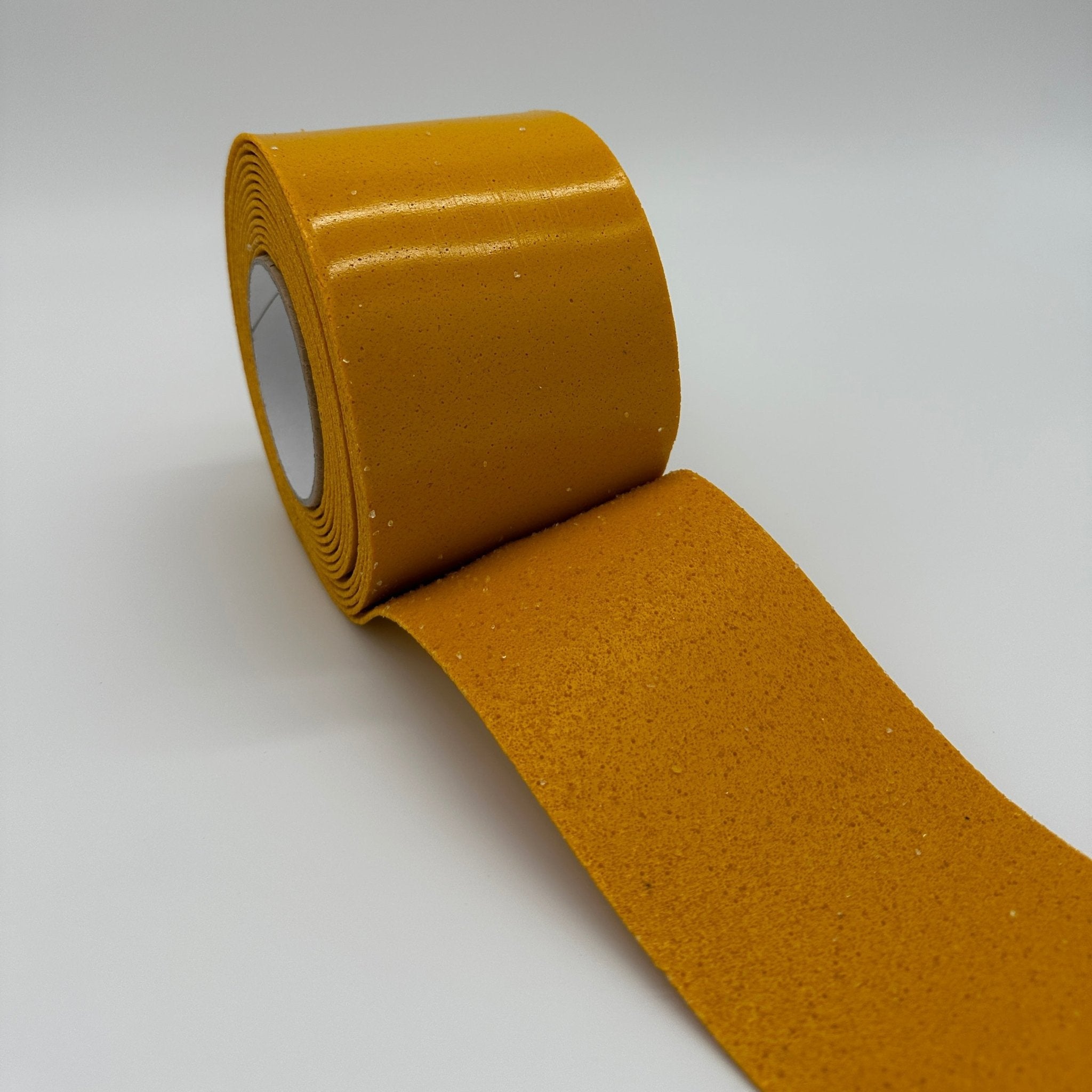
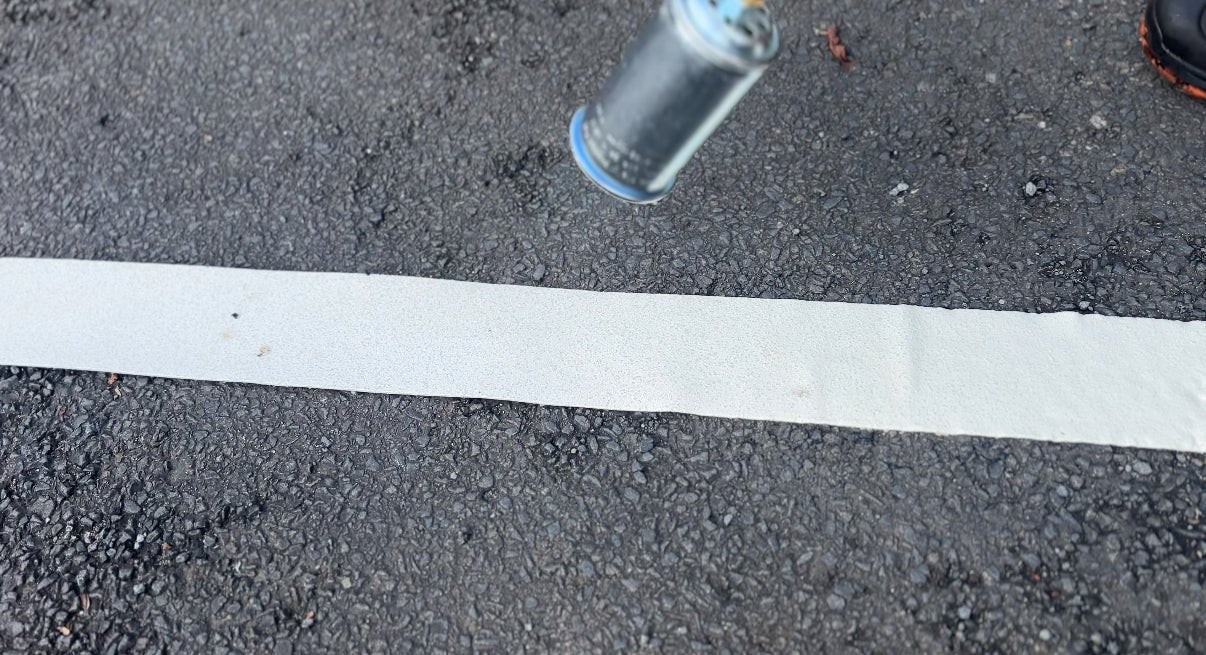
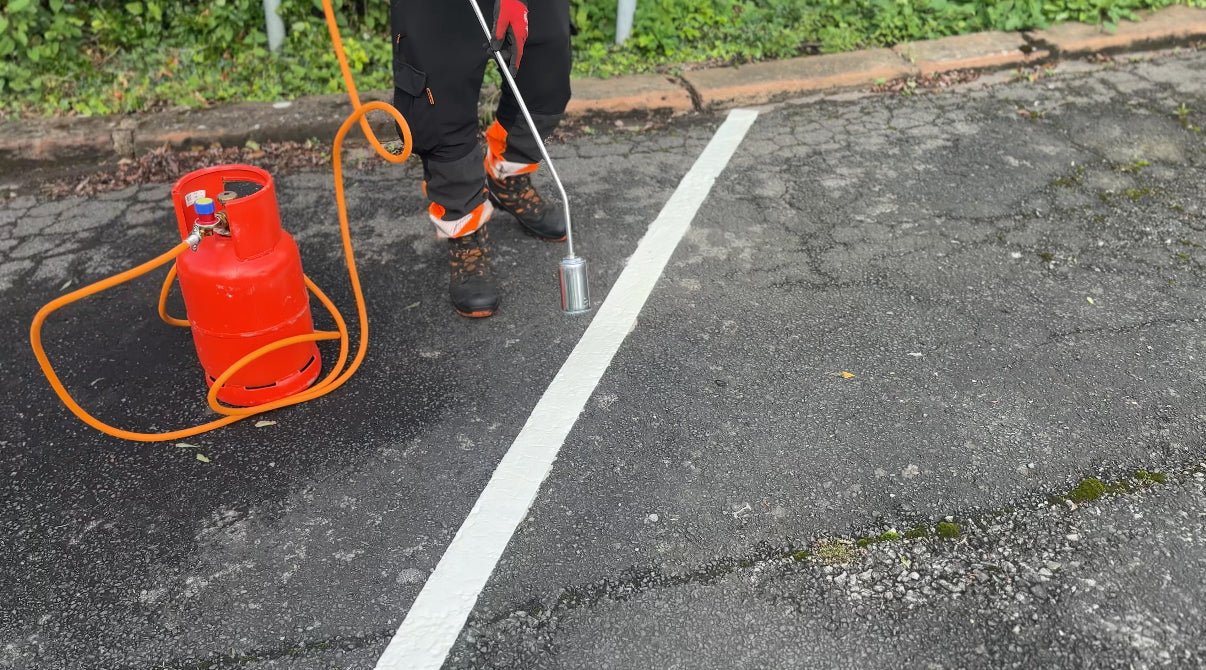
The photo above shows tape installation and the ease of application when the surface is properly prepared and the correct heat is used.
Product Details
-
Material / Format: Hot melt thermoplastic road marking material manufactured from thermoplastic resin, hydrocarbon or biogenic binders, pigments, fillers, aggregate and glass beads.
-
Application Temperature: Typically 180-200°C, with thermoplastic material heated to approximately 200 degrees Celsius before application.
-
Application Thickness: Usually applied at about 3 millimeters, depending on specifications, surface condition and project requirements.
-
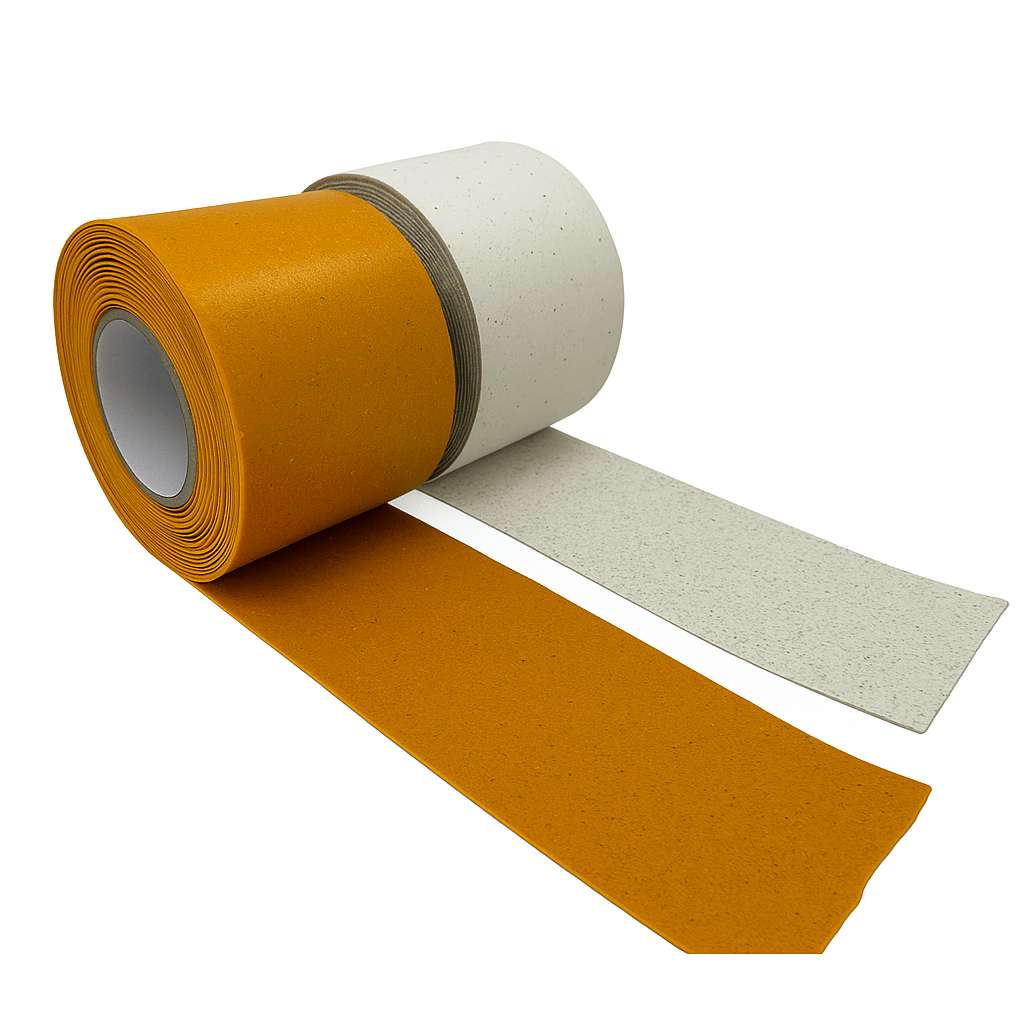
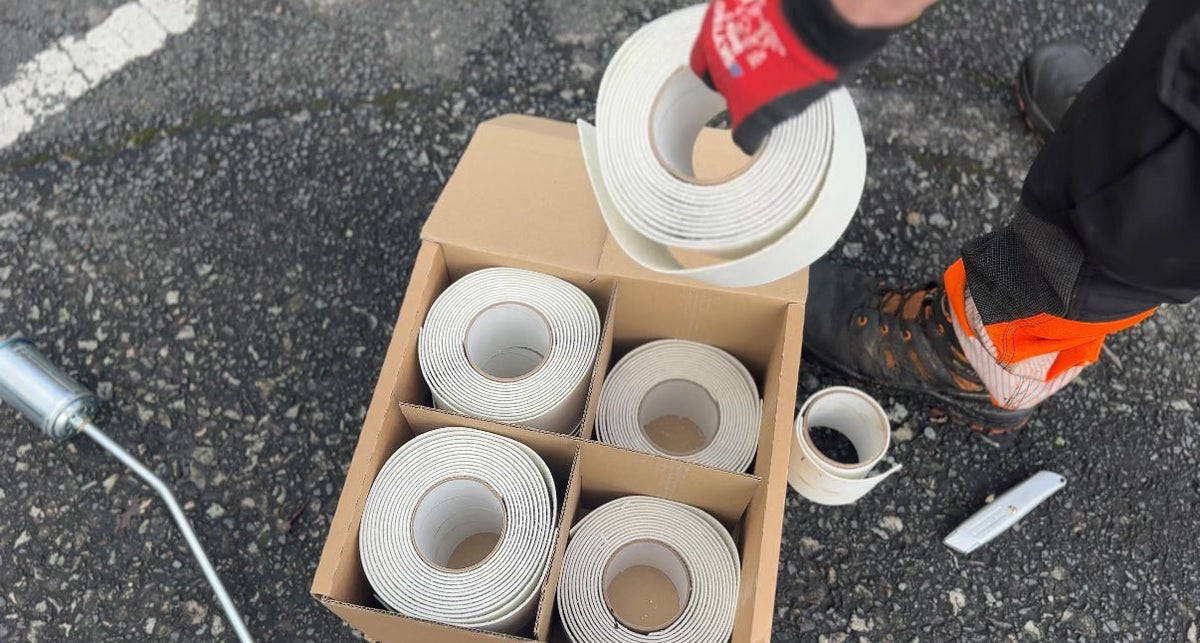
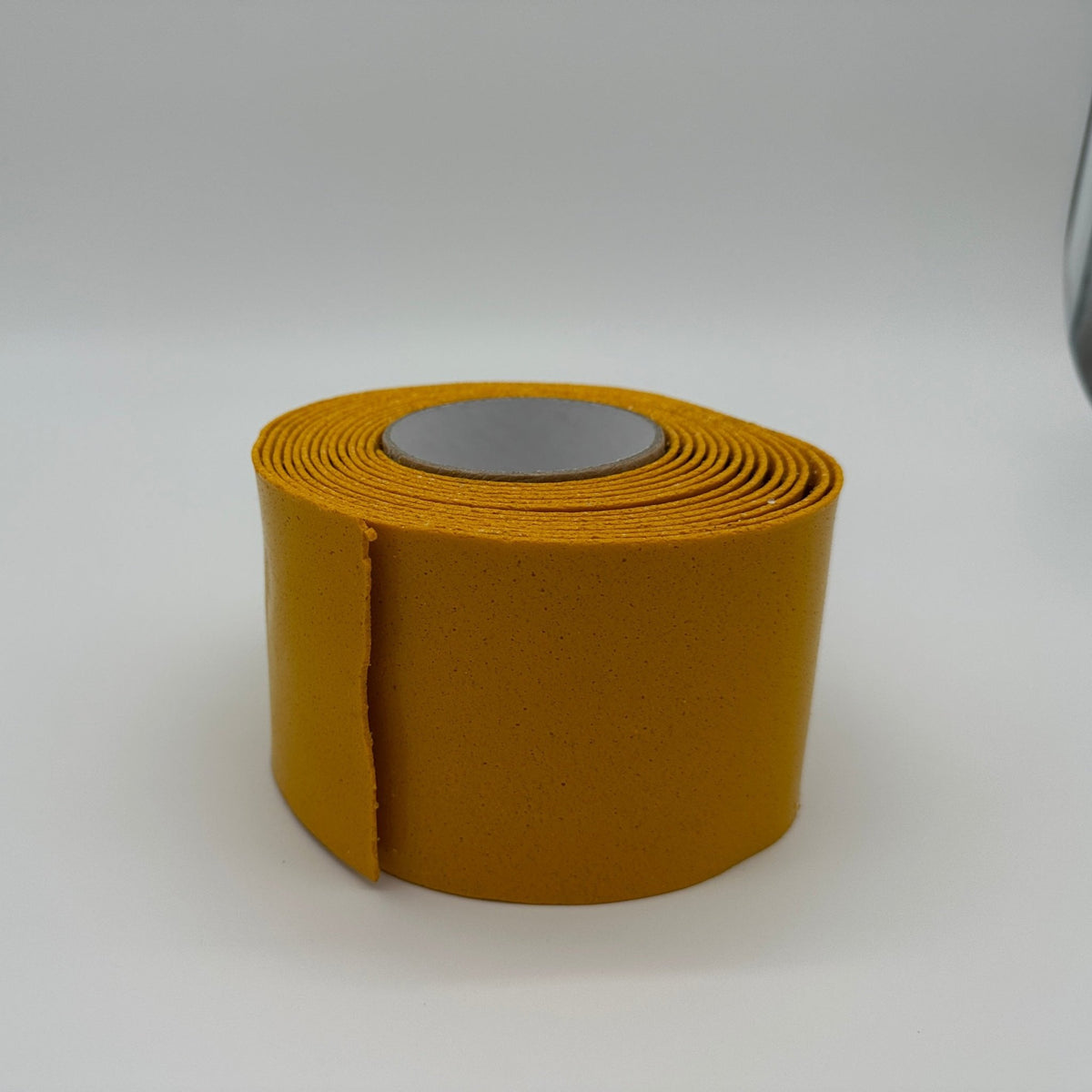
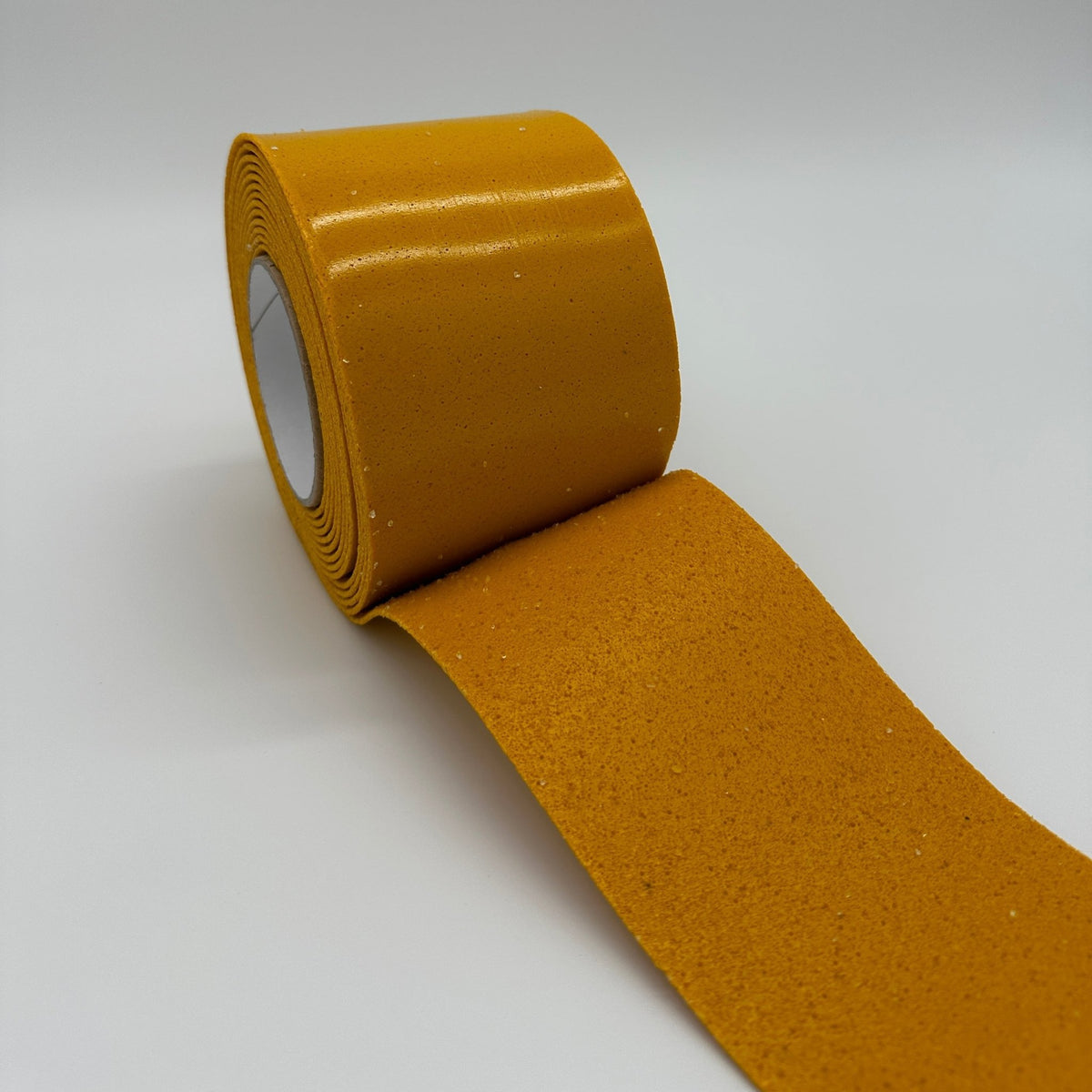
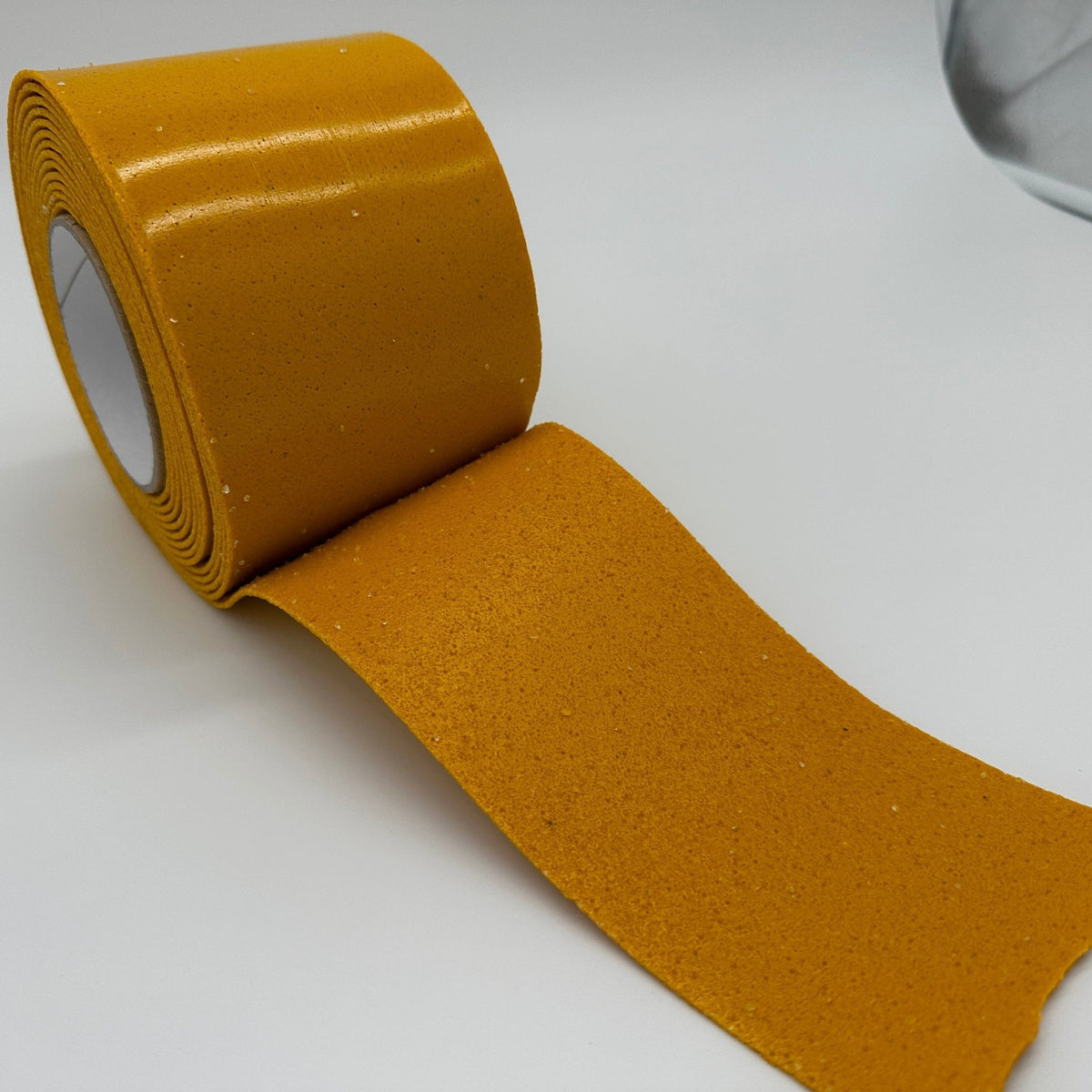
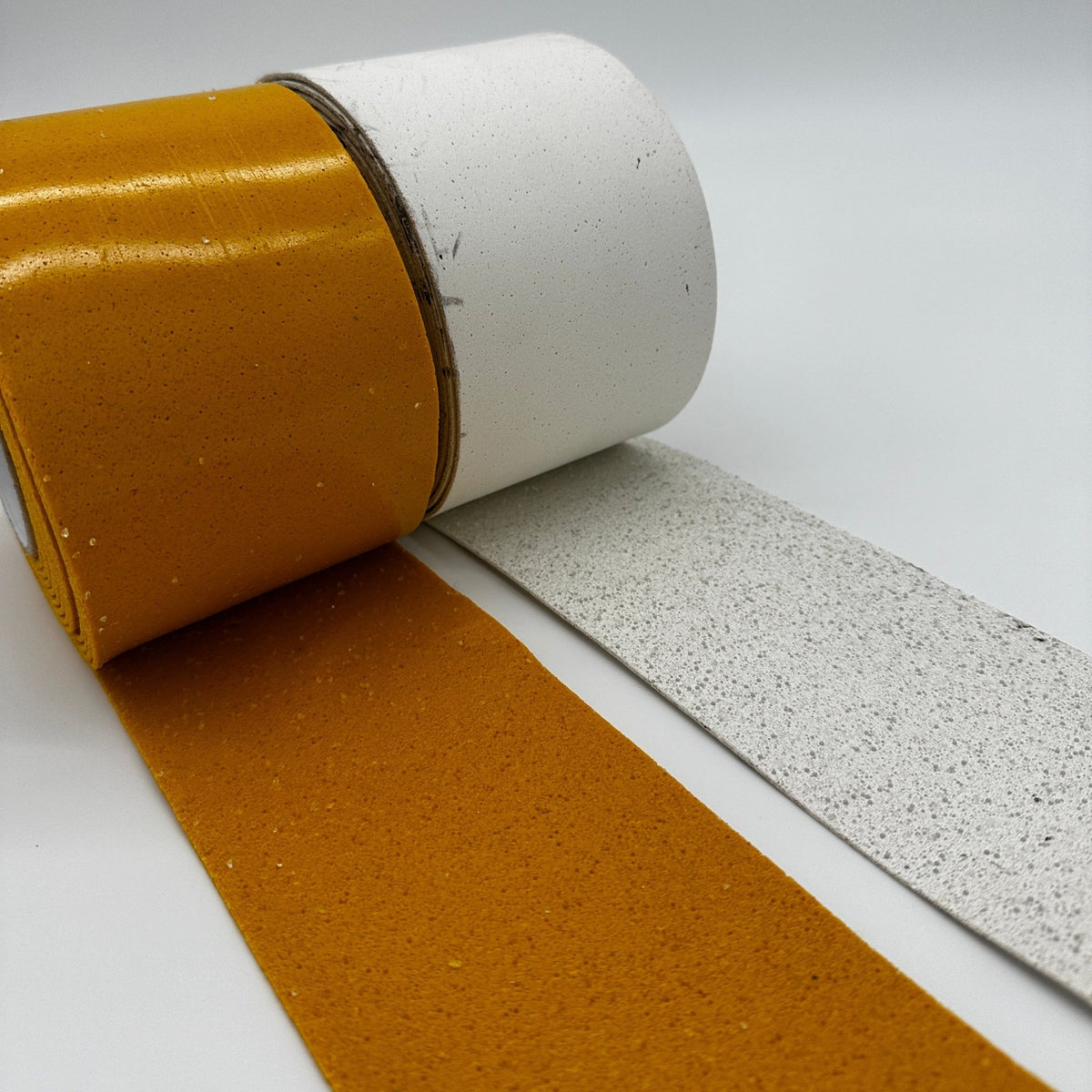
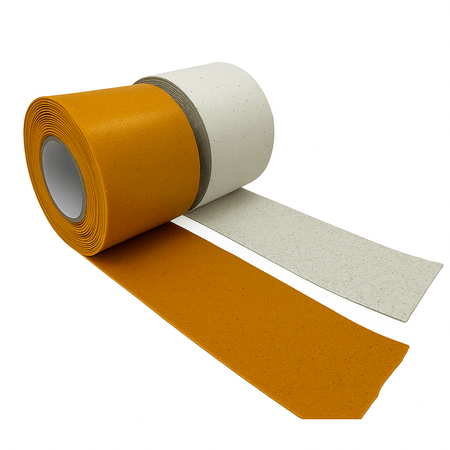
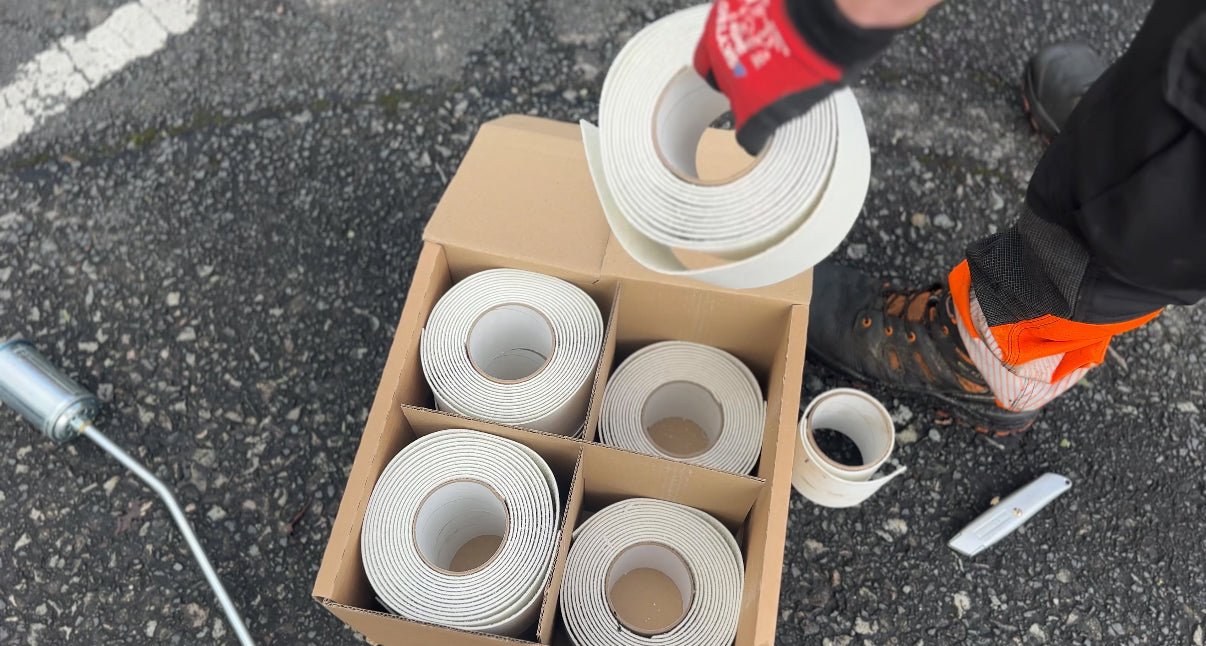
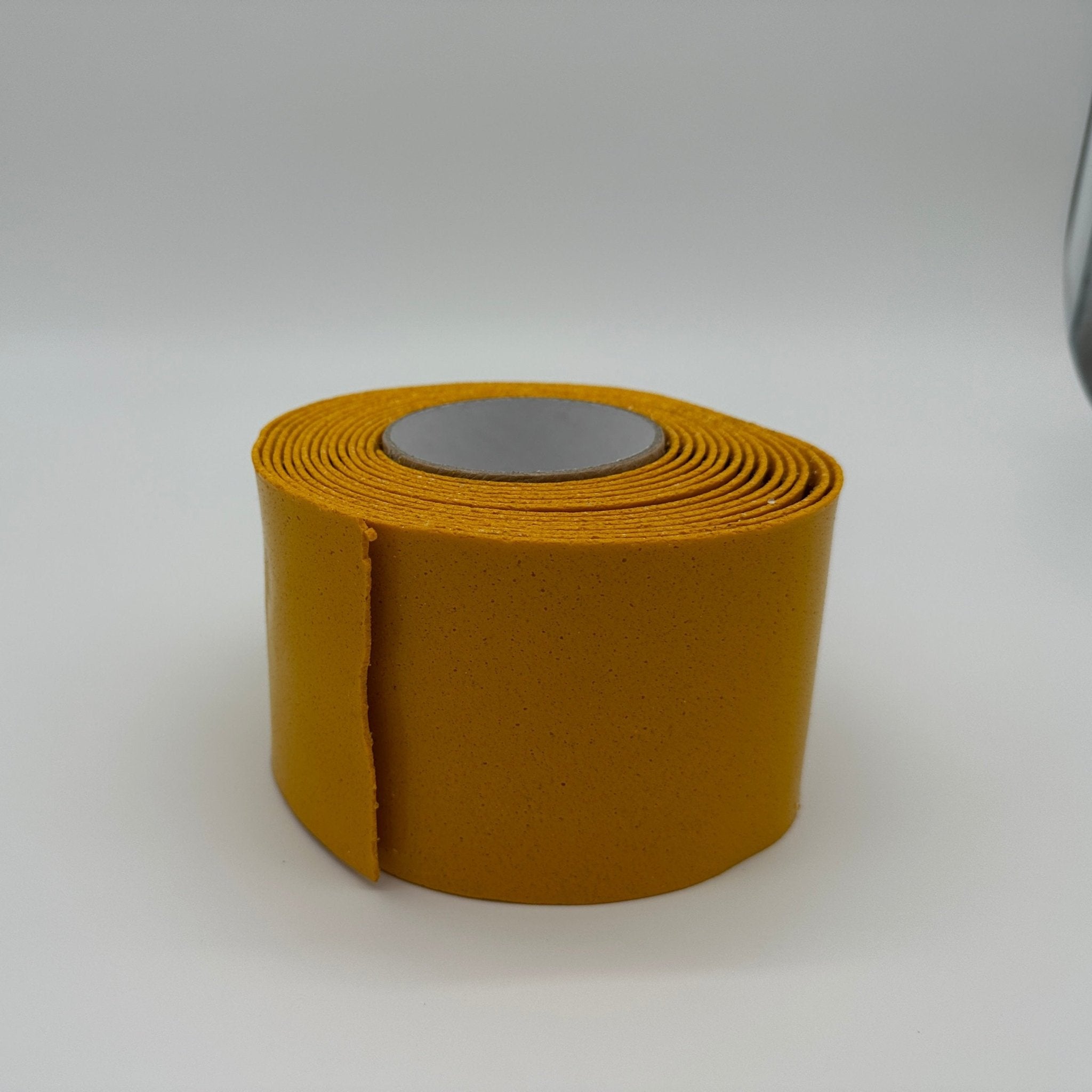
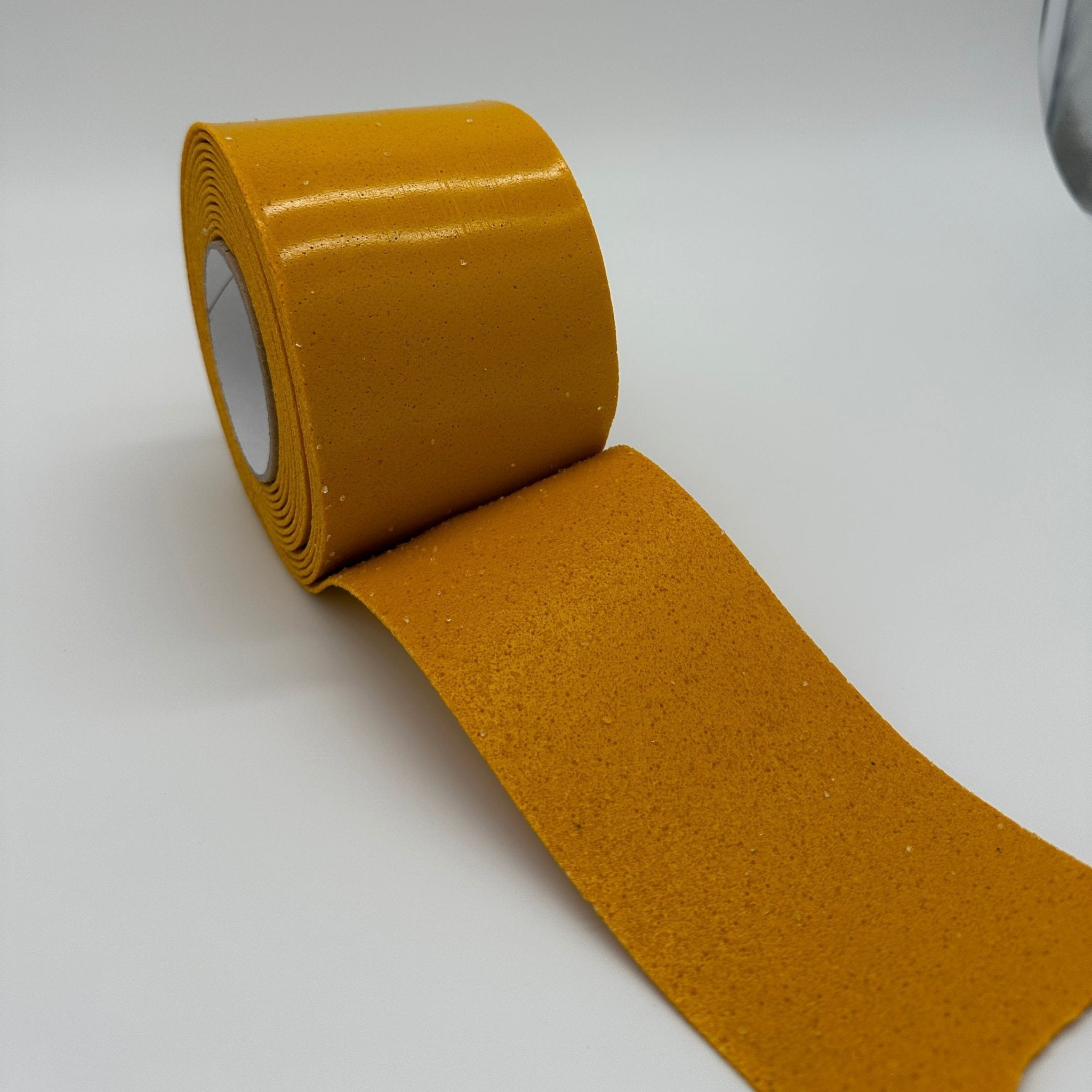
Available Formats: Preformed tape rolls, powder mix, screed material, custom shapes, symbols, letters, signs and boxed stock for supply to contractors.
-
Surface Compatibility: Suitable for asphalt, concrete and stone-based hard surfaces. A tack coat primer or adhesion promoter may be advised on concrete.
-
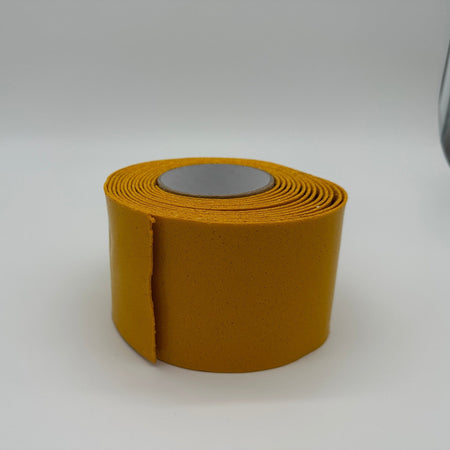
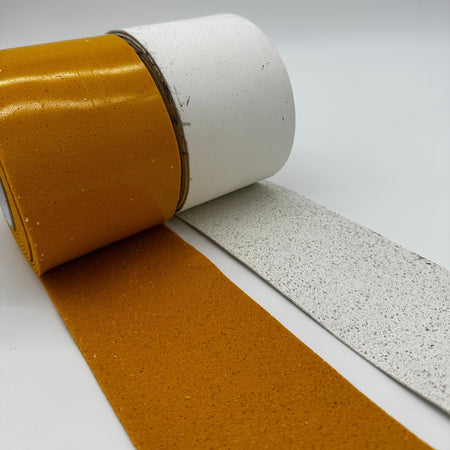
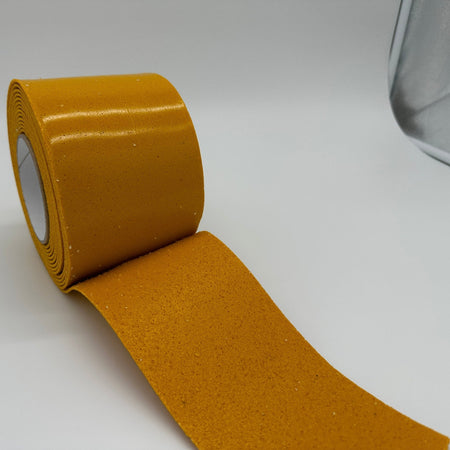
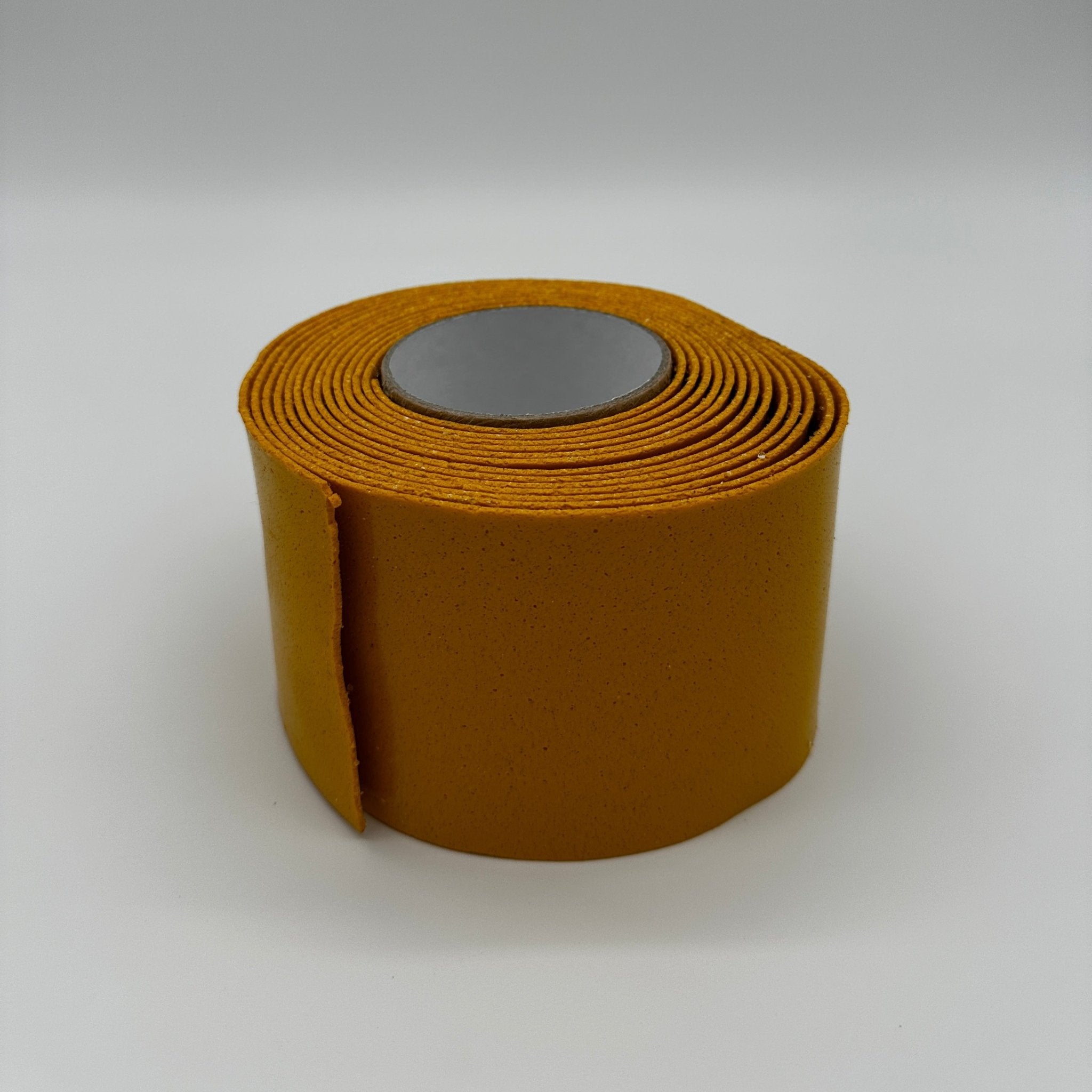
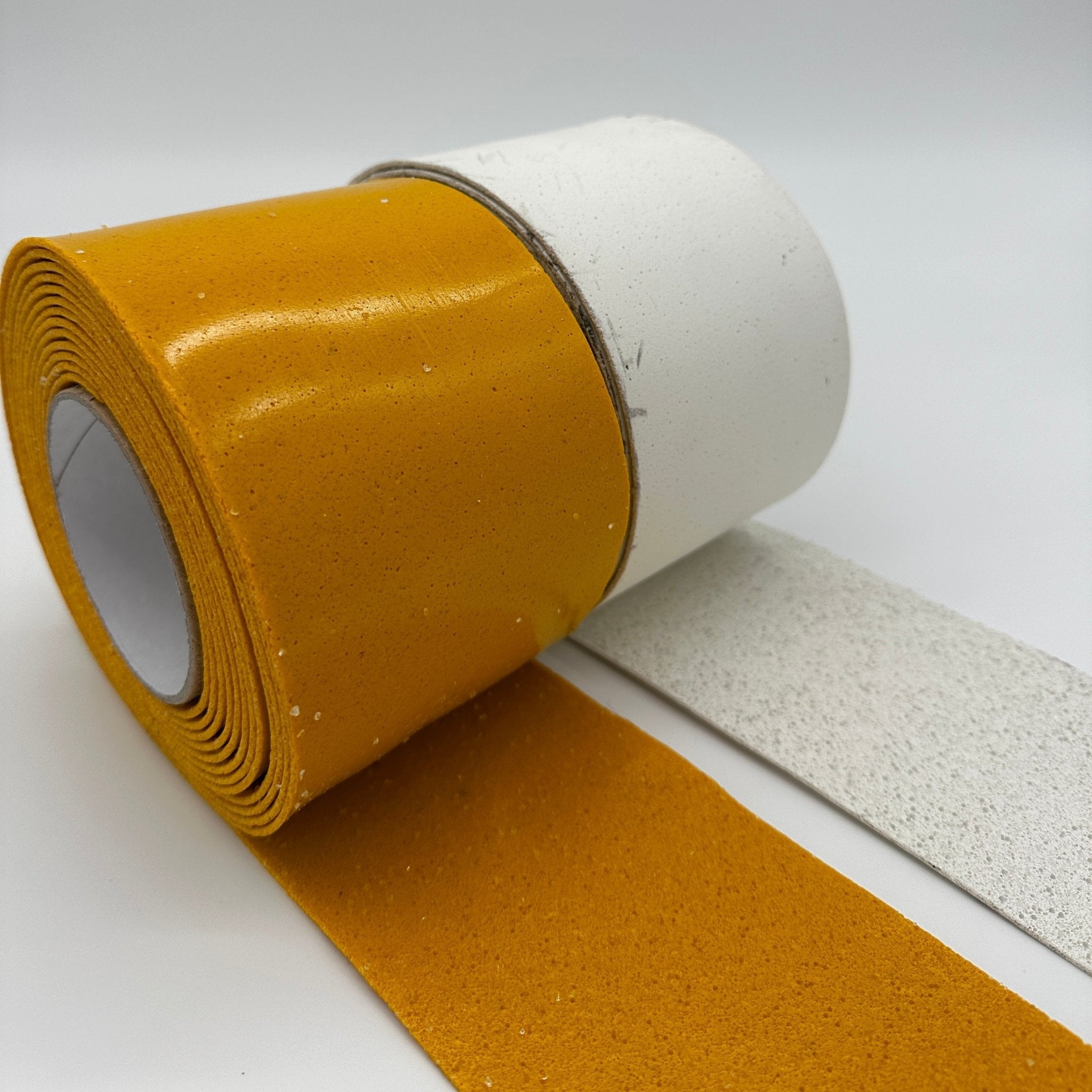
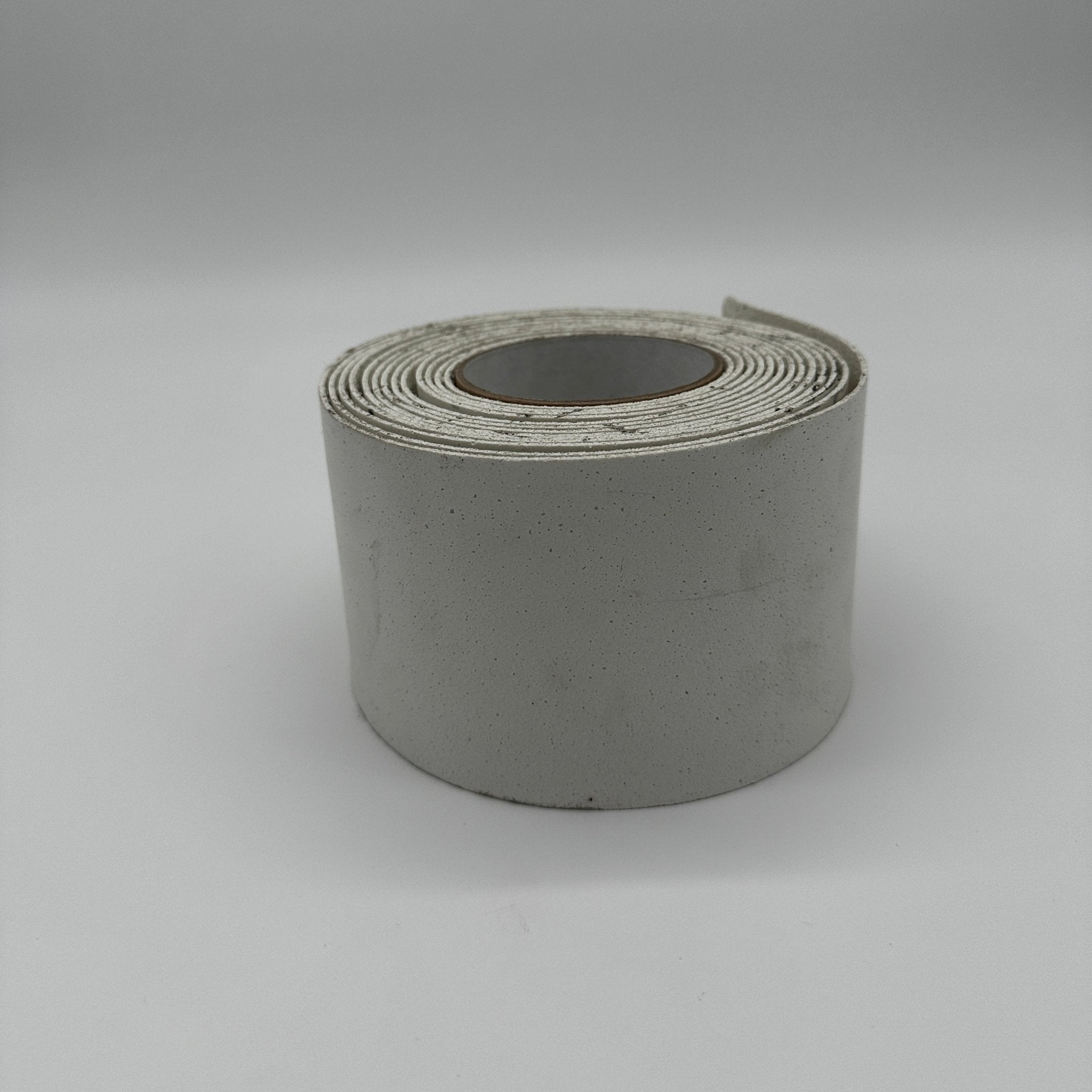
Colour Options: White, yellow, green, orange and other colours are available for road marking, cycle lanes, pedestrian zones, disabled bays, EV bays, playgrounds and safety areas.
-
Standards and Specifications: Can be supplied to relevant BS EN 1790, BS EN 1436, AASHTO and FHWA specifications depending on project location and performance requirements.
-
Setting Time: Thermoplastic cools and hardens in just 2 to 5 minutes after application, allowing fast reopening and minimal disruption.
-
Performance: Durable, resistant to abrasion, weather, traffic wear and chemicals, with reflective glass beads for improved visibility at night.
Thermoplastic is widely utilized in retail and corporate parking structures to clearly map out parking bays, pedestrian walkways, disabled spaces, and electric vehicle charging bays. For heavy-duty commercial environments, thermoplastic layouts can define heavy vehicle tracks, forklift boundaries, and hazardous safety zones.
Who It’s For
Ideal for:
-
Highway contractors and road maintenance teams
-
Municipal authorities managing road infrastructure
-
Car park facility managers
-
Retail and corporate parking structures
-
Airport and port surface marking professionals
-
Industrial sites, factories and logistics yards
-
Schools, playgrounds and sports pitches
-
Cycle lane, footpath and pedestrian safety projects
Thermoplastic line marking is ideal for a variety of applications including road marking on highways, cycle lanes, footpaths, airports, and ports. This type of marking is also suitable for car parks, playgrounds, and sports pitches, providing clear and durable lines on hard surfaces.
If you need reliable markings that stay visible, reduce repainting cycles, improve safety and maintain site accuracy, thermoplastic is a strong choice.
Frequently Asked Questions
How long do thermoplastic markings last?
Thermoplastic line marking lasts up to six times longer than traditional paint and is designed for high traffic areas. In our own tests, we completed over 4 million wheel passover cycles and observed strong durability, abrasion resistance and continued visibility.
Can it be applied in cold weather?
Yes, with the right preparation. Thermoplastic line marking materials are designed to withstand adverse weather conditions and remain effective for year-round application, including colder temperatures. We have tested thermoplastic lines below 10 degrees and achieved excellent results when the material was stored at room temperature the night before.
Is special equipment required?
Yes. Thermoplastic requires heat and professional application equipment such as a road marking machine, gas torch or propane torch, depending on whether powder, tape, rolls or preformed symbols are used. Correct safety equipment is essential because the material is applied hot.
How does retroreflectivity compare to paint?
Compared to traditional traffic paint, thermoplastic has superior night-time reflectivity because glass beads are embedded into the hot material. In our car park test, we measured a 10% boost in retroreflectivity using a retroreflectometer thanks to well graded glass beads.
Can it be applied over existing markings?
Sometimes, but the surface must be assessed first. The area needs to be clean and free from debris, loose paint, dust, oil or old markings that could affect adhesion. We can advise whether existing lines should be removed, cleaned, primed or filtered out of the preparation process before new thermoplastic markings are applied.
Ready to Upgrade Your Road Markings?
Stop settling for short-lived paint that fades, wears quickly and costs more money over repeated maintenance cycles. Choose thermoplastic line marking for durable, reflective, hard wearing and highly visible markings across roads, highways, car parks, factories, cycle lanes, airports, ports, playgrounds and sports pitches.
Our first-hand testing covers retroreflectivity, cold-condition installation, easy application and over 4 million wheel passover cycles in high traffic areas, giving you proven performance rather than guesswork.
Contact us for product supply, professional installation support, colour and shape options, stock availability, project specifications or a quote.
Professional advice. Reliable supply. Durable markings built for safety and long lasting visibility.