


47 Products
Thermoplastic Line Marking
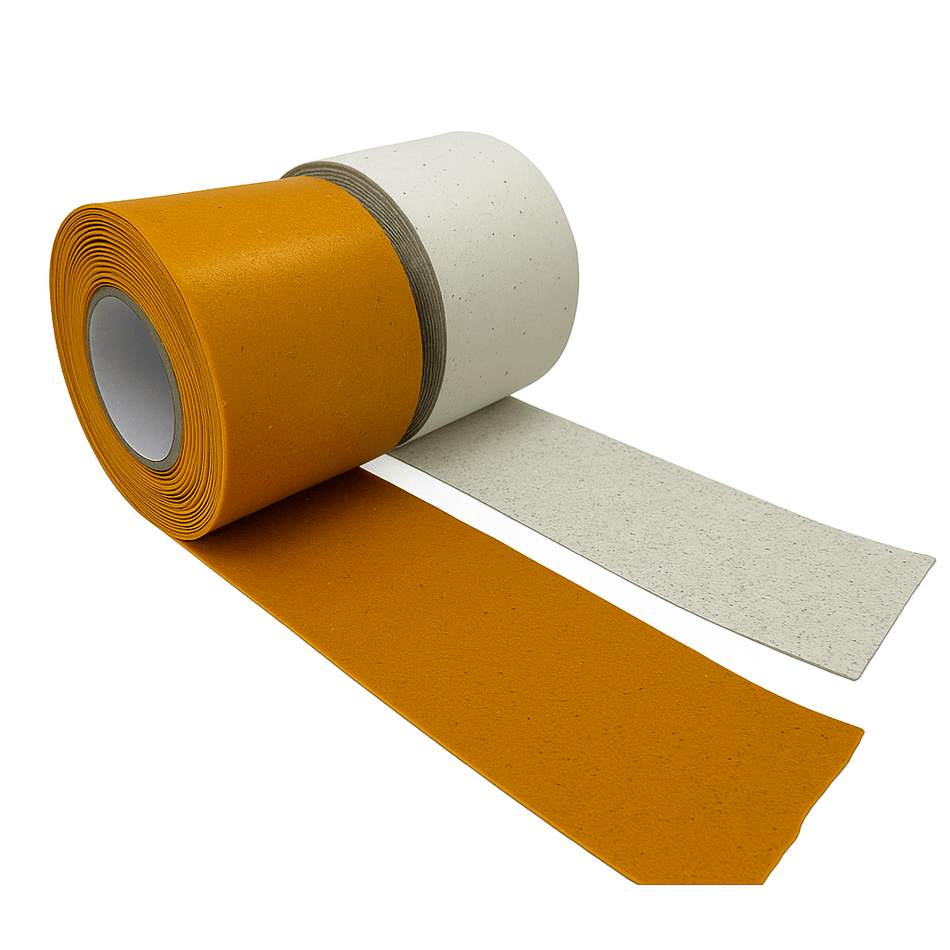
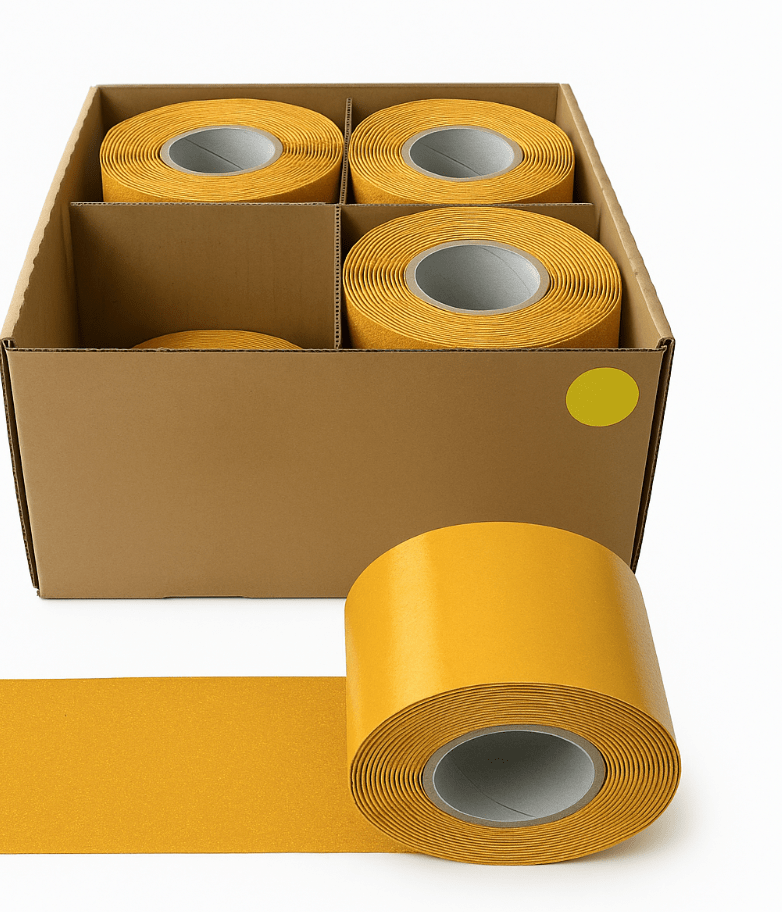
Our thermoplastic line marking tape is a preformed, heat-applied alternative to road marking paint. It melts into asphalt and concrete under a gas torch and sets into a hard-wearing marking that lasts for years. Our thermoplastic line marking supplies include 5m line rolls and bundles of 24 through to directional arrows, speed roundels, bay markings and preformed road symbols.
Read more ↓


Preformed Thermoplastic That Outlasts Paint
Thermoplastic works differently to paint. When heated with a gas torch, it melts into asphalt or concrete and bonds into the surface rather than sitting on top of it. It then hardens into a marking that resists the traffic, weather and abrasion that wears paint thin. On a high-traffic site that's the difference between marking once and marking every season.
Because every piece is preformed, there's no stencilling, mixing or drying time. You position the marking, heat it, and it's ready to drive over. On dry asphalt it bonds without any preparation while concrete and worn surfaces need a primer first to give the marking something to grip.
Shop similar collections: Line Marking Paint | Line Marking Tape | EV Charging Bay Markings
Rolls, Lines and Directional Arrows
The 5m thermoplastic line rolls suit most single jobs and lay straight onto asphalt in white or yellow. For a full car park or a site with repeat work, the bundle of 24 rolls lowers the per-metre cost and keeps every line the same width and colour across the layout. The box of 1m lines covers shorter runs and touch-ups. Directional arrows carry the same advantage as the rest of the range. Because the left, right, straight and bi-directional arrows are preformed to a fixed size and shape, every arrow on the site matches without a template.
Speed Roundels, Bay Markings and Symbols
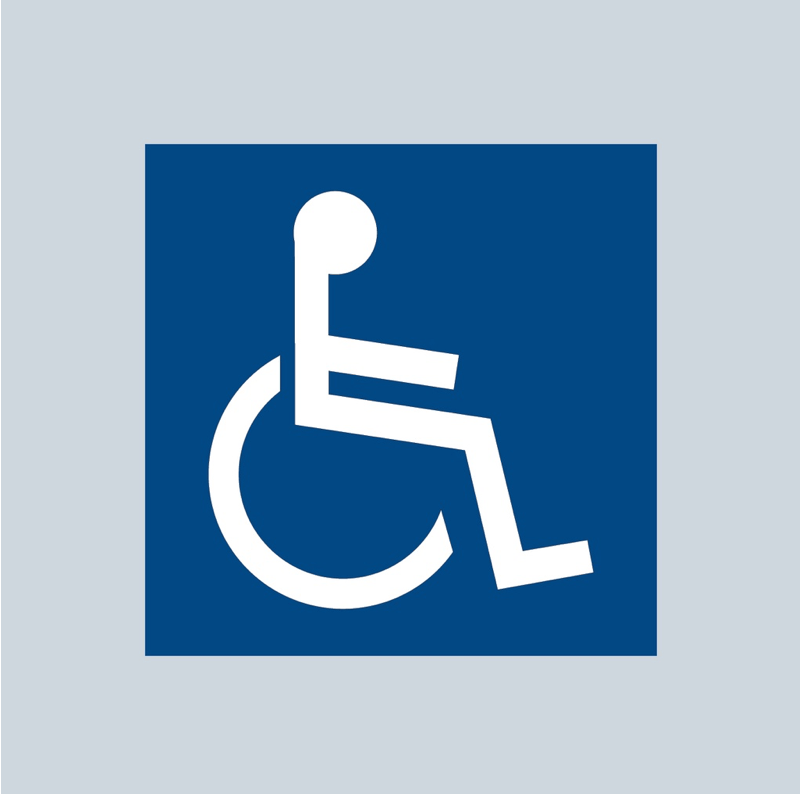
Speed roundels run from 5mph to 60mph at a standard 600mm x 600mm. The plain white version suits most private roads and car parks. The tricolour version adds the red ring border that reads more clearly on approach, where you want the limit noticed. For parking, the preformed disabled bay symbol marks a single bay, while the double L-shaped and U-shaped kits set out a full accessible bay to a recognised layout. EV bays follow the same approach with the EV charging symbol and EV lettering.
FAQ
What is thermoplastic line marking used for?
Thermoplastic line marking is used to mark road lines, car park bays, directional arrows, speed limits, pedestrian walkways, warehouse routes and safety zones. It suits any surface that needs a durable, high-visibility marking on asphalt or concrete.
How long does thermoplastic road marking last?
Thermoplastic road marking can last several years under normal traffic. Because it bonds into the surface and hardens rather than sitting on top, it resists the abrasion and weathering that wears paint away.
Can thermoplastic markings be applied to concrete?
Yes, thermoplastic markings can be applied to concrete, but the surface needs a primer first. Concrete and worn surfaces need a tack coat to give the marking something to grip, so apply the thermoplastic primer aerosol before laying it down.
What equipment do I need to apply it?
Thermoplastic markings need a propane or gas torch to melt them into the surface. Sweep the area clean and dry, position the marking, then heat it evenly until it bonds.