


61 Products
Hi-Vis Workwear
Welcome to our Hi Vis Workwear collection, where safety meets visibility. At Ready Set Supplied, we provide high-quality hi vis clothing designed to keep you seen and protected in hazardous work environments. Our range includes durable, comfortable, and compliant hi vis jackets, trousers, vests, and overalls, all crafted to meet UK safety standards. Whether you work in construction, warehousing, or road management, our hi vis workwear ensures you stay safe and visible on site, no matter the conditions.
Read more ↓


Hi vis workwear is essential personal protective equipment (PPE) for ensuring visibility in hazardous or low-light conditions, featuring bright colors and reflective strips to enhance safety. High visibility workwear must meet the EN ISO 20471 standards, which specify the requirements for high visibility clothing to ensure safety in various work environments.
Hi-Vis Workwear for Every Work Environment
Different jobs need different hi vis clothing. Construction teams, road crews, warehouse staff and manufacturing workers all face different visibility risks, so the class, colour, comfort and durability of each garment should match the task.
Standardized classifications mandate how much fluorescent and reflective material is used in hi-vis garments. Bright, unnatural colors like fluorescent yellow, orange, or red ensure maximum contrast against backgrounds during the daytime, while reflective strips help workers stand out in low light environments, night work and poor weather.
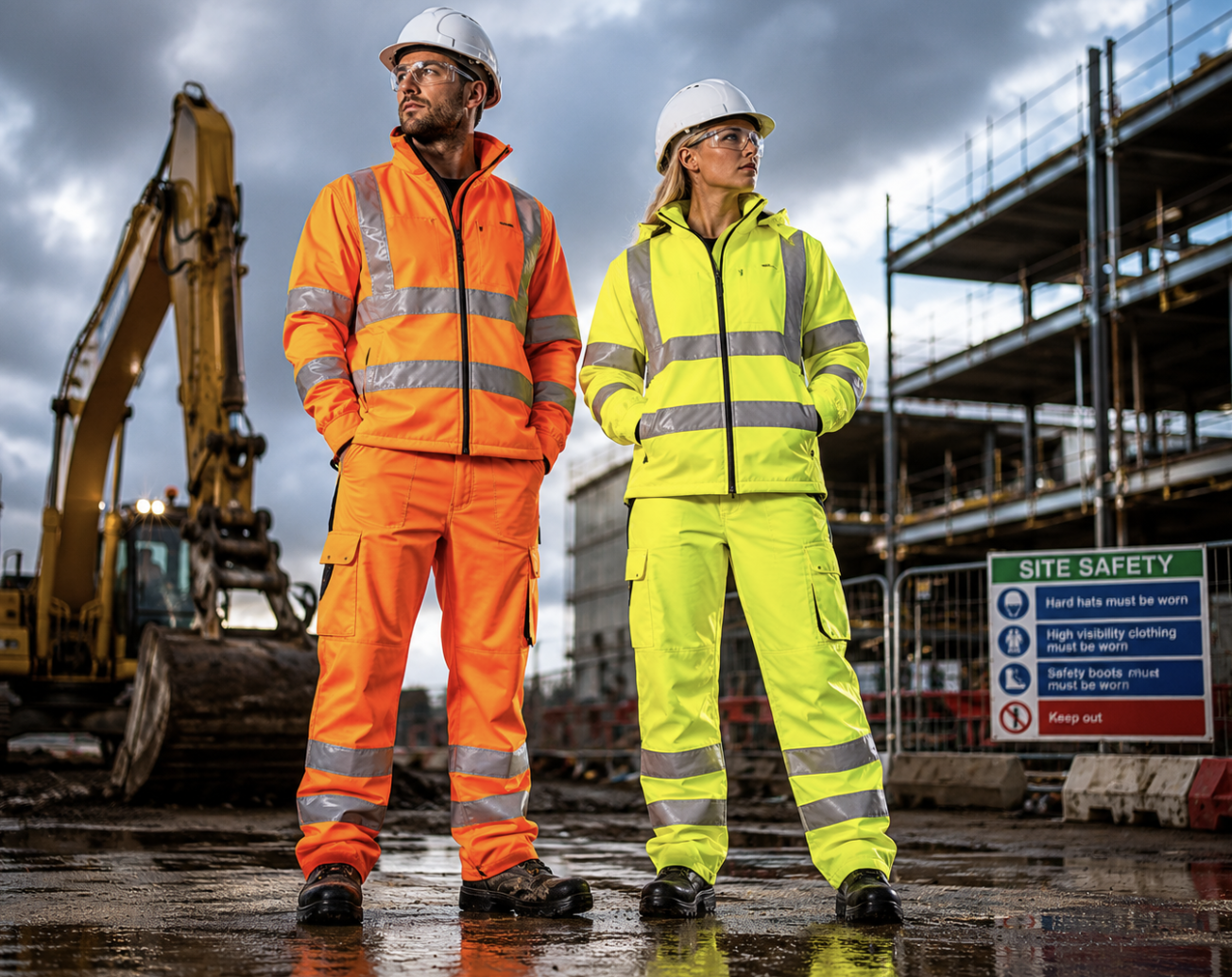
Construction & Building Sites
Construction sites often involve heavy machinery, cranes, delivery vehicles and changing ground conditions, so workers need vis workwear that can stand up to hard use while keeping them visible from every angle.
Class 2 hi vis is commonly worn in general construction zones, while Class 3 is required where the risk is higher or vehicles move faster. Class 3 garments provide maximum body coverage and are ideal for high-speed, high-risk environments.
Durability matters on site. Breathable, moisture-wicking fabrics are essential for effective and comfortable construction workwear, especially during long shifts. Layering lightweight hi-vis t-shirts and waterproof jackets enhances safety and mobility for construction workers, helping them stay warm, dry and visible without restricting movement.
Road Work & Traffic Management
Road work and traffic management usually require the highest levels of visibility because workers are close to moving vehicles, headlights, poor weather and changing light. In high-speed traffic environments, Class 3 hi vis is often the safest choice.
The main colors used in hi vis workwear are bright yellow and orange, which are recognized for their effectiveness in enhancing visibility. Orange hi vis is often preferred for road and rail-related work, while yellow may be selected for other site rules or role identification. Always check site requirements before choosing colours.
Weather protection is just as important as visibility. Waterproof coats, vis jackets and hi vis trousers help protect workers in rain, snow and wind, while reflective strips remain essential in low light conditions.
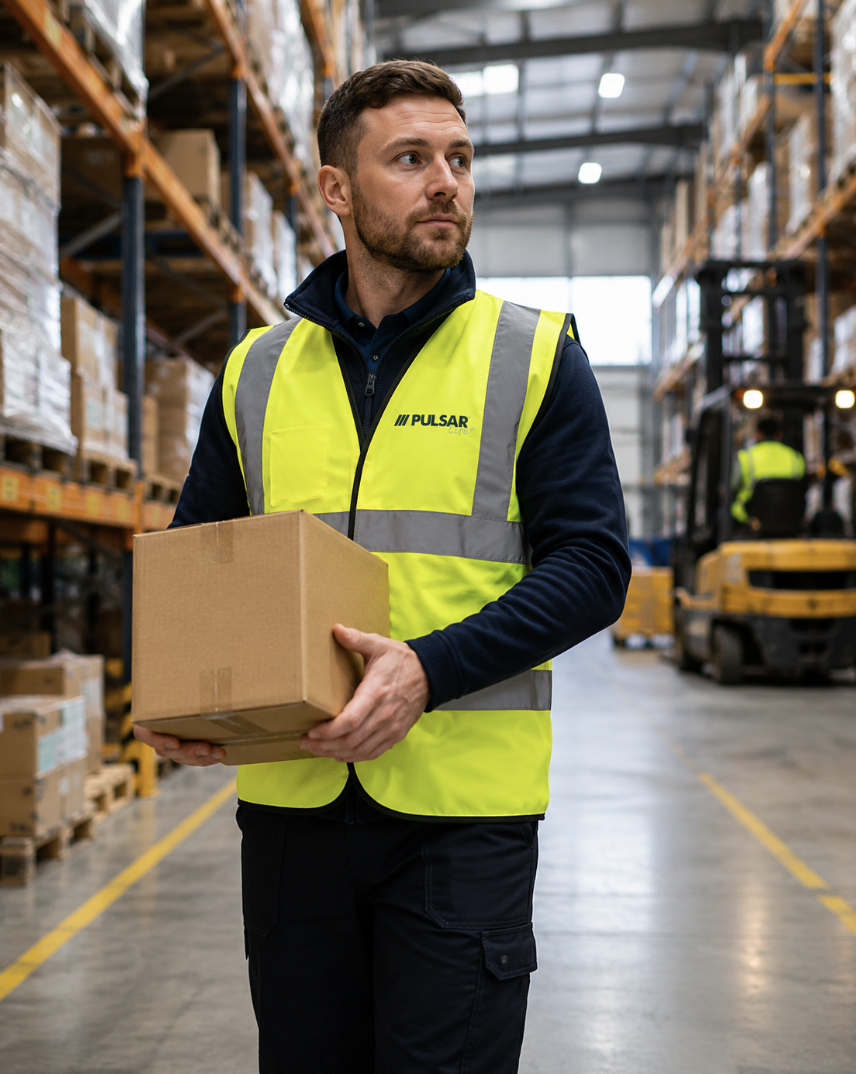
Warehousing & Manufacturing
In warehouses and manufacturing areas, visibility is still critical even when the work is indoors. Forklifts, loading bays, moving machinery and vehicle routes create risk, especially where workers move between storage aisles and delivery zones.
Class 1 hi vis can be suitable for low-risk warehouse areas, while Class 2 is better for busier zones with more vehicle movement. Vis vests, vis t shirts, shirts, hoodies and lightweight garments are ideal when comfort and breathability matter.
For indoor work, workers often need comfortable clothing that can be worn all day. Lightweight vis clothing, hi vis hoodies and t shirts help teams stay visible without overheating.
Choose the Right Class for Your Work Environment
Class ratings for hi-vis apparel range from Class 1 to Class 3, matching risk severity. The right class depends on vehicle speed, site layout, lighting, weather, the job being done and how close workers are to moving traffic or machinery.
Hi-vis workwear prevents accidents by making workers visible in low-light and high-risk environments. Choosing the correct class helps ensure your team remains safe, compliant and easy to spot throughout the day.
Class 1 Hi Vis Workwear
Class 1 hi vis is designed for lower-risk environments where vehicles are moving at up to 19mph. It is commonly used in controlled areas such as warehouses, car parks, indoor maintenance zones and low-speed delivery areas.
Class 1 clothing must include at least 0.1m² of reflective material and 0.14m² of fluorescent material. It is suitable for roles where visibility is needed, but the risk from moving vehicles is limited.
Typical examples include warehouse operatives, event staff, parking attendants and visitors who need a simple hi vis vest over normal workwear.
Class 2 Hi Vis Workwear
Class 2 hi vis is suitable for medium-risk environments where vehicles may operate at speeds up to 25mph. It offers a higher level of visibility than Class 1 and is one of the most common choices for construction, industrial yards and general site work.
Class 2 clothing must include at least 0.13m² of reflective material and 0.5m² of fluorescent material. This makes it a strong choice for workers who need greater visibility without always requiring full Class 3 coverage.
Class 2 vis jackets, vis vests, polo shirts, hoodies and trousers are often worn by site teams, delivery staff, manufacturing workers and contractors.
Class 3 Hi Vis Workwear
Class 3 hi vis offers the highest level of visibility and is used in high-risk environments where vehicles may travel at speeds up to 37mph. It is designed to make the full silhouette of the worker visible.
Class 3 clothing must include at least 0.2m² of reflective material and 0.8m² of fluorescent material. This level is commonly required for road work, night work, rail environments and dangerous outdoor conditions.
Class 3 garments usually include long sleeves, full-body coverage or a compliant pair of garments, such as a hi vis jacket worn with hi vis trousers.
Quality Materials That Meet Standards
Good hi vis workwear is not just bright clothing. It must remain visible after use, washing, bad weather and site wear. Quality materials help ensure garments continue to perform throughout their service life.
Fluorescent materials convert invisible UV light into highly visible light. Retroreflective strips bounce light directly back to its source, enhancing visibility. Together, these features help workers stand out during the day, at night and in low light.
Premium Reflective Materials
Reflective strips are one of the most important parts of any hi vis garment. Premium reflective materials are often stitched and thermally applied where feasible to reduce peeling and improve durability.
Certified wash counts are important because reflective performance can reduce over time. Quality garments should clearly state washing instructions so workers know how long the item is expected to remain compliant.
Budget garments may look similar at first, but premium vis workwear usually provides better tape adhesion, stronger reflection and longer-lasting safety performance.
Durable Fluorescent Fabrics
Fluorescent yellow and orange fabrics must stay bright enough to keep workers visible. Colourfast materials help clothing maintain visibility after repeated washing, sunlight exposure and daily site use.
Specialised fabrics in hi-vis workwear can include flame-resistant, waterproof, and anti-static properties. These options are useful for utilities, construction, rail, road work and industrial environments where extra protection is needed.
Breathable fabrics also improve comfort, especially in warm conditions or physically demanding jobs. Comfortable workwear is more likely to be worn correctly for the whole shift.
Reinforcement Features
Quality hi vis workwear should be designed for real site use. Reinforced stitching at stress points, durable fastenings and premium branded zippers help garments last longer and avoid working loose during the job.
Good quality control also ensures the correct amount of fluorescent fabric and reflective material remains visible. Logos, dirt, backpacks or outer layers should not cover key visibility areas.
Always select the right size, check the label, and remember that heavily dirty garments may no longer stand out clearly enough to protect the wearer.
Complete Your Hi-Vis Workwear Setup
A complete hi vis setup often includes more than one item. Jackets, trousers, vests, overalls, shorts, shirts and hoodies can be paired to improve visibility, comfort and weather protection.
Layering also helps teams adapt to changing conditions. A worker may wear vis t shirts in warm weather, add vis hoodies when it turns cold, and finish with waterproof jackets or coats when rain arrives.
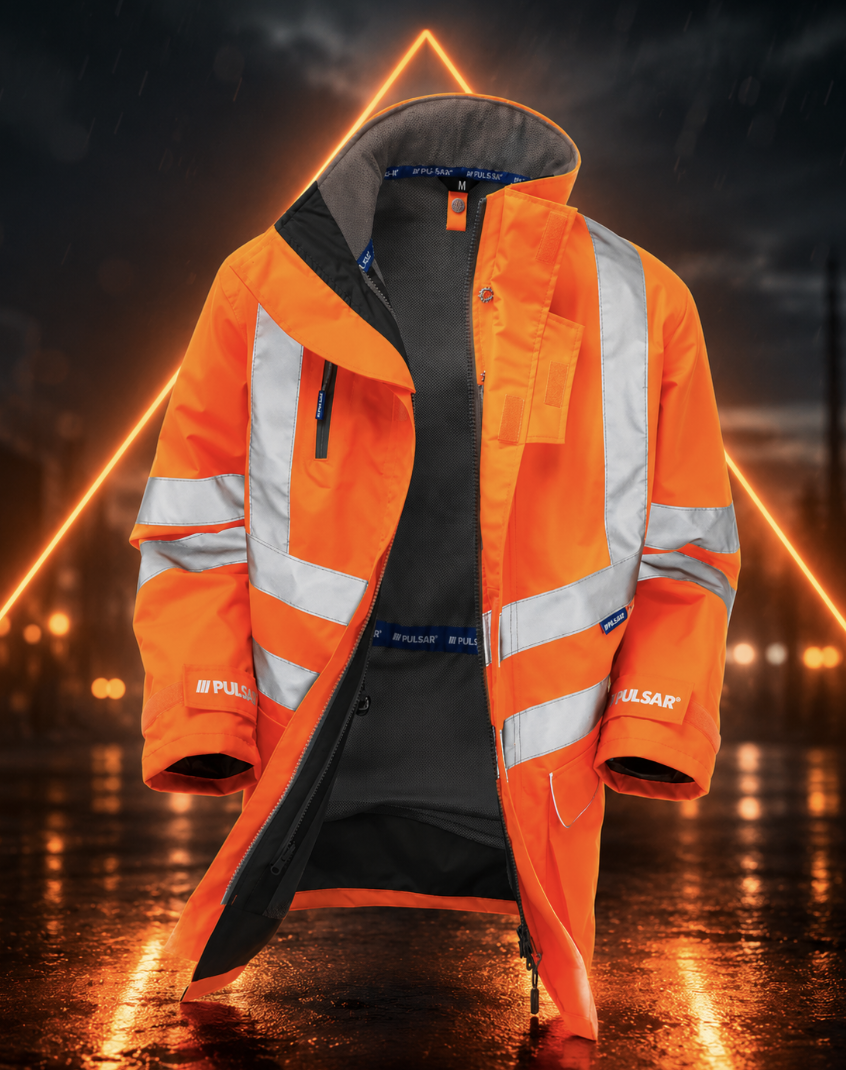
Essential Hi-Vis Jackets
Hi-Vis Jackets are essential safety garments designed to enhance visibility in hazardous work environments, typically made from fluorescent materials combined with reflective strips.
These jackets are commonly worn by workers in construction, road crews, and industrial environments to provide protection and reduce the risk of accidents. Hi Vis Jackets must meet specific safety standards, such as EN ISO 20471, to ensure they provide adequate visibility and protection in low-light conditions.
Choose waterproof, padded or lightweight vis jackets depending on the season. They are ideal for staying warm, dry and visible on site.
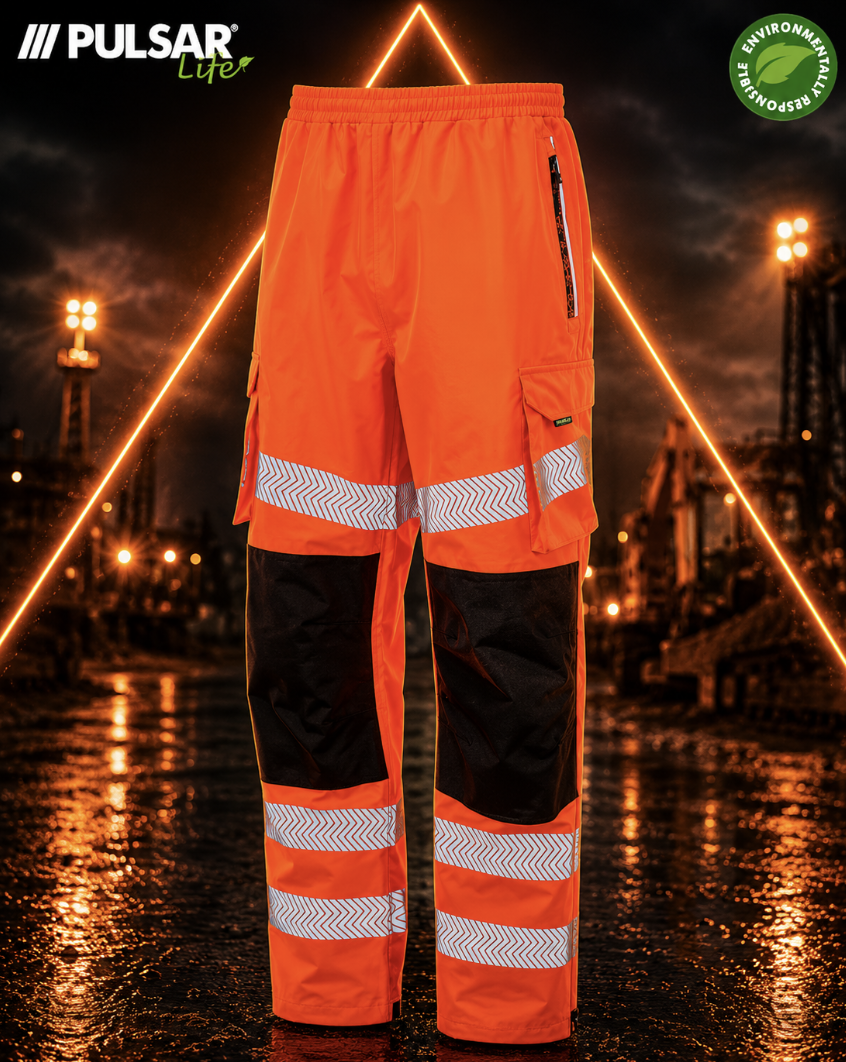
Protective Hi-Vis Trousers
Hi-Vis Trousers help complete your visibility setup, especially when full-body coverage is required. Waterproof overtrousers are ideal for wet weather, while breathable options improve comfort during extended wear.
Vis trousers with reflective strips around the legs improve movement visibility, making it easier for drivers and machine operators to spot workers from a distance.
For higher-risk tasks, a compliant jacket and trouser pair can help create the visibility coverage needed for demanding site conditions.
Shop Quality Hi-Vis Workwear
Browse our range of hi vis workwear designed to help individuals and whole teams stay safe, visible and compliant. From lightweight vis vests to waterproof jackets, trousers and overalls, every garment should be selected around the risk level, task and working conditions.
Explore Hi-Vis Vests to build a complete workwear setup.
High-visibility colours help emergency responders quickly spot and track personnel during accidents or evacuations. Select the right class, colour and size, check VAT or ex VAT pricing, create an account if needed, and click through to arrange delivery from available stock. If you need help choosing the right hi vis for your team, use live chat for guidance before you order.
Frequently Asked Questions
What standards must hi vis workwear meet?
Hi vis workwear must comply with EN ISO 20471 standards, which specify requirements for visibility, fluorescent and reflective materials to ensure safety in various work environments.
How do I choose the right class of hi vis workwear?
Choose the class based on your work environment risk level, vehicle speeds, lighting, and proximity to traffic or machinery. Class 1 is for low risk, Class 2 for medium risk, and Class 3 for high-risk or high-speed environments.
Can hi vis workwear be washed?
Yes, hi vis garments can be washed but follow the manufacturer’s certified wash count and instructions to maintain visibility and compliance.
What colours of hi vis workwear are available?
The main colours are fluorescent yellow and orange. Orange is often used for road and rail work, while yellow may be used in other sectors or for role identification.
Why is quality important in hi vis workwear?
Quality materials and construction ensure the garment remains visible, durable, and comfortable throughout its service life, maintaining safety and compliance on site.