


5 Products
Industrial Paints – Shop Professional Coatings Online
Industrial paints are specialized coatings engineered to protect and preserve surfaces under extreme conditions. Unlike standard decorative paint, they contain higher concentrations of resins and additives to deliver heavy-duty defense, long lasting protection, and functional enhancements for machinery, infrastructure, concrete floors, metalwork, walls, wood, stone, and commercial products.
Read more ↓


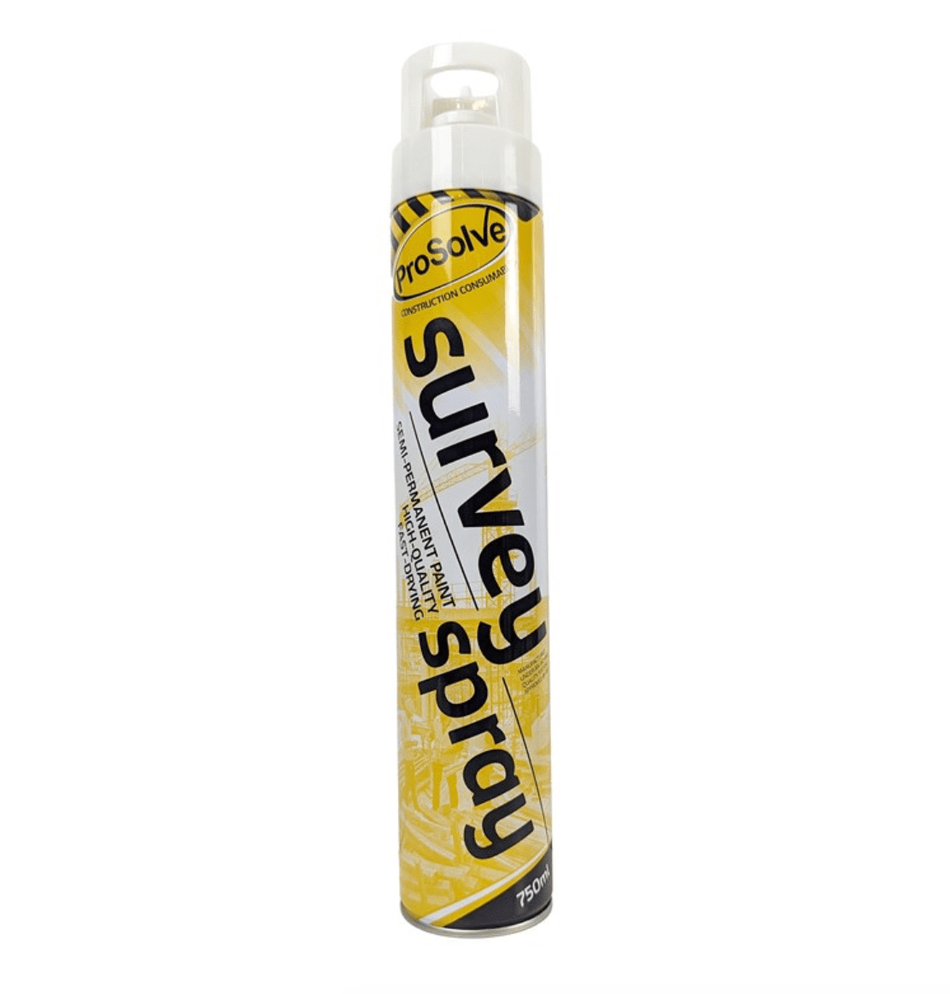

Choose from floor paint, line marking spray paint, garage floor paint, bitumen paint, primers, topcoats, and paint applicators designed for tough environments. The best paint depends on the surface, exposure, traffic level, chemical resistance required, and application conditions.
Industrial Paints for Every Application
Industrial paints are designed to protect surfaces from severe wear, corrosion, and environmental damage while helping reduce maintenance, extend equipment lifespans, and ensure regulatory compliance.
Floor Paints & Protective Coatings
Heavy-duty industrial floor paints are specifically designed for intense footfall, heavy machinery, forklift traffic, vehicle traffic, and chemical exposure. Our floor paint range includes epoxy floor paint, concrete floor paint, polyurethane floor coating, surface hardeners, and specialist coatings for industrial floors, warehouses, garage floors, loading bays, and manufacturing areas.
Epoxy floor paints provide a tough, long-lasting protective coating for concrete floors, making them ideal for heavy traffic areas where oil, dirt, dust, cleaning agents, and spills are common. These paints typically require two coats for optimal durability and performance, with the first coat helping seal bare concrete in good condition. Epoxy floor paints are resistant to chemicals and oils, helping protect the underlying concrete from stains and damage.
Polyurethane floor paints offer flexibility, impact resistance, and strong abrasion resistance, making them suitable where a hard wearing finish must withstand heavy traffic. Coverage rates, curing times, and application methods vary by product, with solvent free, water based, low VOC, brush, roller, and spray options available.
Line Marking Paints
Line marking paints are made for crisp lines, vibrant colours, and clear safety guidance across car parks, loading bays, warehouses, factories, roads, sports facilities, and playgrounds. Aerosol line marking paints are suitable for various surfaces including concrete, asphalt, grass, and factory floors.
Line marking spray paint is quick drying and ideal where minimal downtime is important. A single 750ml can of aerosol line marking paint can mark out approximately 100 meters, making it efficient for large areas. Choose hi-visibility colours, including fluorescent options, for safety compliance and better visibility in an industrial setting.
Permanent and temporary line marking solutions are available. Temporary markings last approximately four weeks before fading, while permanent paints are designed for longer lasting performance under footfall, vehicle traffic, and changing weather conditions.
Specialized Industrial Coatings
Specialized industrial coatings support demanding maintenance, safety, and protection requirements. Bitumen paints are commonly used for waterproofing and corrosion protection on metal structures, concrete, and other tough surfaces.
Corrosion and rust protection involves creating a barrier that shields steel and metal from moisture, salt, and oxygen. Anti-corrosive primers and topcoats are suitable for harsh industrial environments where durability and long lasting protection matter.
Fire-retardant coatings include intumescent coatings, which expand when exposed to high heat, insulating the underlying material to delay structural failure. Thermal barrier coatings protect high-temperature industrial equipment, while advanced fluorocarbon coatings offer unrivaled resistance to UV rays, weathering, and fading, often keeping surfaces vibrant for over 20 years.
Choose the Right Industrial Paint for Your Environment
Choosing the right industrial paint requires matching the paint’s chemical properties to the specific surface material and environmental exposure. In most cases, the best results come from selecting a complete system rather than a single coat.
Heavy Manufacturing & Warehouses
Factories, warehouses, and production areas need heavy duty floor paint that can withstand heavy traffic, machinery, pallet movement, forklift traffic, oil, solvents, and frequent cleaning. Chemical and solvent resistance means the coating can withstand harsh chemicals, acids, and alkalis without degrading.
Epoxy systems offer excellent chemical resistance and strong adhesion to concrete. High-build epoxy coating systems are ideal for a warehouse floor or epoxy floor where maximum durability is needed. Fast-cure formulations help reduce working days lost during application and support minimal downtime.
Choosing the right industrial floor paint is crucial for ensuring the floor provides the best balance between serviceability and cost, especially in high-traffic areas like factories and warehouses.
Outdoor Industrial Facilities
Outdoor sites need coatings that resist weather conditions, UV exposure, moisture, and temperature movement. Polyurethane coatings provide a durable, weather-resistant finish and excel in outdoor environments due to UV resistance and color retention.
For public-facing industrial areas, anti-graffiti and easy-clean formulations help maintain appearance and reduce service time. UV-stable topcoats are especially important where colours such as light grey, dark grey, safety yellow, and other finishes must stay consistent.
Fluorocarbon coatings are a premium option for long-term exposure, offering unrivaled resistance to UV rays, weathering, and fading, often keeping surfaces vibrant for over 20 years.
Food Processing & Clean Environments
Food processing and clean environments require coatings that support hygiene, cleaning, and compliance. FDA-compliant coatings are suitable for direct and indirect food contact areas when used according to the relevant product guidance.
Antimicrobial paints help inhibit bacterial growth on surfaces, while smooth, easy-clean finishes reduce dirt traps and support deep cleaning protocols. These environments often need chemical resistance against caustic cleaners, acids, alkalis, oils, hot washdowns, and repeated cleaning cycles.
For best results, check whether the concrete, floor tiles, walls, or equipment surfaces are dry, sound, and suitable before coating, especially where rising damp or contamination may affect adhesion.
Advanced Paint Formulations That Deliver Results
Industrial paints use specific resin technologies to improve durability, adhesion, chemical resistance, drying speed, and finish quality.
Epoxy & Polyurethane Systems
Two-component epoxy coatings are known for superior adhesion, excellent chemical resistance, and hard wearing performance on concrete floors and industrial floors. Epoxy floor paint is a strong choice for industrial garage floor paint, warehouse floor areas, and high traffic areas exposed to oil and cleaning chemicals.
Single-component polyurethanes and polyurethane floor coating options provide flexibility, impact resistance, and abrasion resistance. They are especially useful where movement, vibration, or outdoor exposure may cause a rigid coating to fail.
Water based, solvent based, and solvent free systems each have different benefits. Water based products are often lower odour and low VOC, while higher-build epoxy systems offer extra protection where durability is the priority.
Acrylic & Alkyd Technologies
Acrylic coatings are water-based, fast-drying, and suitable for facility maintenance to minimize downtime. They are often used for line marking, maintenance paint, and quick turnaround projects where areas need to return to service quickly.
Alkyd enamels provide long lasting protection for general industrial maintenance, metalwork, machinery, and equipment. They are a practical option where a durable finish is needed without the performance requirements of a full epoxy or polyurethane system.
Hybrid formulations combine resin technologies to improve flexibility, weather resistance, chemical resistance, and application properties across tough environments.
Specialty Additives & Performance Enhancers
Anti-slip additives improve traction on painted surfaces, helping make industrial floors safer in wet or high traffic areas. These additives can be used in floor paint systems where slip resistance is required without sacrificing cleanability.
Corrosion inhibitors help extend coating life in aggressive environments, especially where steel, metal, moisture, salt, and oxygen are present. Rheology modifiers improve how paint flows, levels, and stays on the surface during application.
Performance enhancers can also improve abrasion resistance, chemical resistance, finish quality, and long lasting performance across concrete, metal, wood, stone, and other substrates.
Professional Application Techniques
Even the highest quality industrial paint needs correct preparation, tools, and application conditions to perform properly.
Paint Applicators & Tools
Professional-grade rollers, brush options, and spray paint equipment help achieve the right coat thickness and finish. The correct applicator depends on whether the product is epoxy, polyurethane, acrylic, alkyd, bitumen paint, or line marking paint.
Line marking machines and templates help produce crisp lines in car parks, loading bays, warehouses, and sports areas. For larger jobs, spray systems can improve speed and consistency.
Surface preparation tools such as grinders, shot-blasters, scrapers, and cleaning equipment remove dust, dirt, laitance, old coatings, and contamination before painting.
Surface Preparation Methods
Concrete preparation may include acid etching, grinding, or shot-blasting to create a suitable profile. New concrete floors must be fully cured before coating, and bare concrete should be tested for moisture before applying floor paint.
Metal surfaces need rust removal, cleaning, and the right primer to support corrosion protection. Corrosion and rust protection works by creating a barrier that shields steel and metal from moisture, salt, and oxygen.
Contamination removal and substrate testing are essential. Oils, dust, rising damp, weak concrete, or loose existing coatings can prevent adhesion and shorten durability.
Application Best Practices
Temperature, humidity, weather conditions, and surface moisture affect curing and final performance. Always follow product guidance for coat thickness, drying time, recoat windows, and working days before full service.
Most epoxy floor paint systems perform best with two coats, while some protective systems require primer, intermediate coat, and topcoat. Applying the second coat too early or too late can affect bonding and long lasting performance.
Quality checks should include coverage, film thickness, adhesion, cure, colour consistency, and resistance requirements. Our technical team can help confirm the suitable product for your surface and environment.
Shop Industrial Paints Online
Explore a complete range of industrial paints in stock, including floor paint, concrete floor paint, epoxy floor paint, garage floor paint, line marking spray paint, bitumen paint, specialist coatings, and paint applicators.
Use technical data sheets, application guides, and coverage information to choose the right quantity and system for your project. For expert service, contact our technical team for advice on preparation, chemical resistance, curing times, colours, and the best paint for your industrial setting.
Hybrid formulations combine resin technologies to improve flexibility, weather resistance, chemical resistance, and application properties across tough environments.
Specialty Additives & Performance Enhancers
Anti-slip additives improve traction on painted surfaces, helping make industrial floors safer in wet or high traffic areas. These additives can be used in floor paint systems where slip resistance is required without sacrificing cleanability.
Corrosion inhibitors help extend coating life in aggressive environments, especially where steel, metal, moisture, salt, and oxygen are present. Rheology modifiers improve how paint flows, levels, and stays on the surface during application.
Performance enhancers can also improve abrasion resistance, chemical resistance, finish quality, and long lasting performance across concrete, metal, wood, stone, and other substrates.
Professional Application Techniques
Even the highest quality industrial paint needs correct preparation, tools, and application conditions to perform properly.
Paint Applicators & Tools
Professional-grade rollers, brush options, and spray paint equipment help achieve the right coat thickness and finish. The correct applicator depends on whether the product is epoxy, polyurethane, acrylic, alkyd, bitumen paint, or line marking paint.
Line marking machines and templates help produce crisp lines in car parks, loading bays, warehouses, and sports areas. For larger jobs, spray systems can improve speed and consistency.
Surface preparation tools such as grinders, shot-blasters, scrapers, and cleaning equipment remove dust, dirt, laitance, old coatings, and contamination before painting.
Surface Preparation Methods
Concrete preparation may include acid etching, grinding, or shot-blasting to create a suitable profile. New concrete floors must be fully cured before coating, and bare concrete should be tested for moisture before applying floor paint.
Metal surfaces need rust removal, cleaning, and the right primer to support corrosion protection. Corrosion and rust protection works by creating a barrier that shields steel and metal from moisture, salt, and oxygen.
Contamination removal and substrate testing are essential. Oils, dust, rising damp, weak concrete, or loose existing coatings can prevent adhesion and shorten durability.
Application Best Practices
Temperature, humidity, weather conditions, and surface moisture affect curing and final performance. Always follow product guidance for coat thickness, drying time, recoat windows, and working days before full service.
Most epoxy floor paint systems perform best with two coats, while some protective systems require primer, intermediate coat, and topcoat. Applying the second coat too early or too late can affect bonding and long lasting performance.
Quality checks should include coverage, film thickness, adhesion, cure, colour consistency, and resistance requirements. Our technical team can help confirm the suitable product for your surface and environment.
Shop Industrial Paints Online
Explore a complete range of industrial paints in stock, including floor paint, concrete floor paint, epoxy floor paint, garage floor paint, line marking spray paint, bitumen paint, specialist coatings, and paint applicators.
Use technical data sheets, application guides, and coverage information to choose the right quantity and system for your project. For expert service, contact our technical team for advice on preparation, chemical resistance, curing times, colours, and the best paint for your industrial setting.